
12-3-30 Workout for Weight Loss: Does It Work?
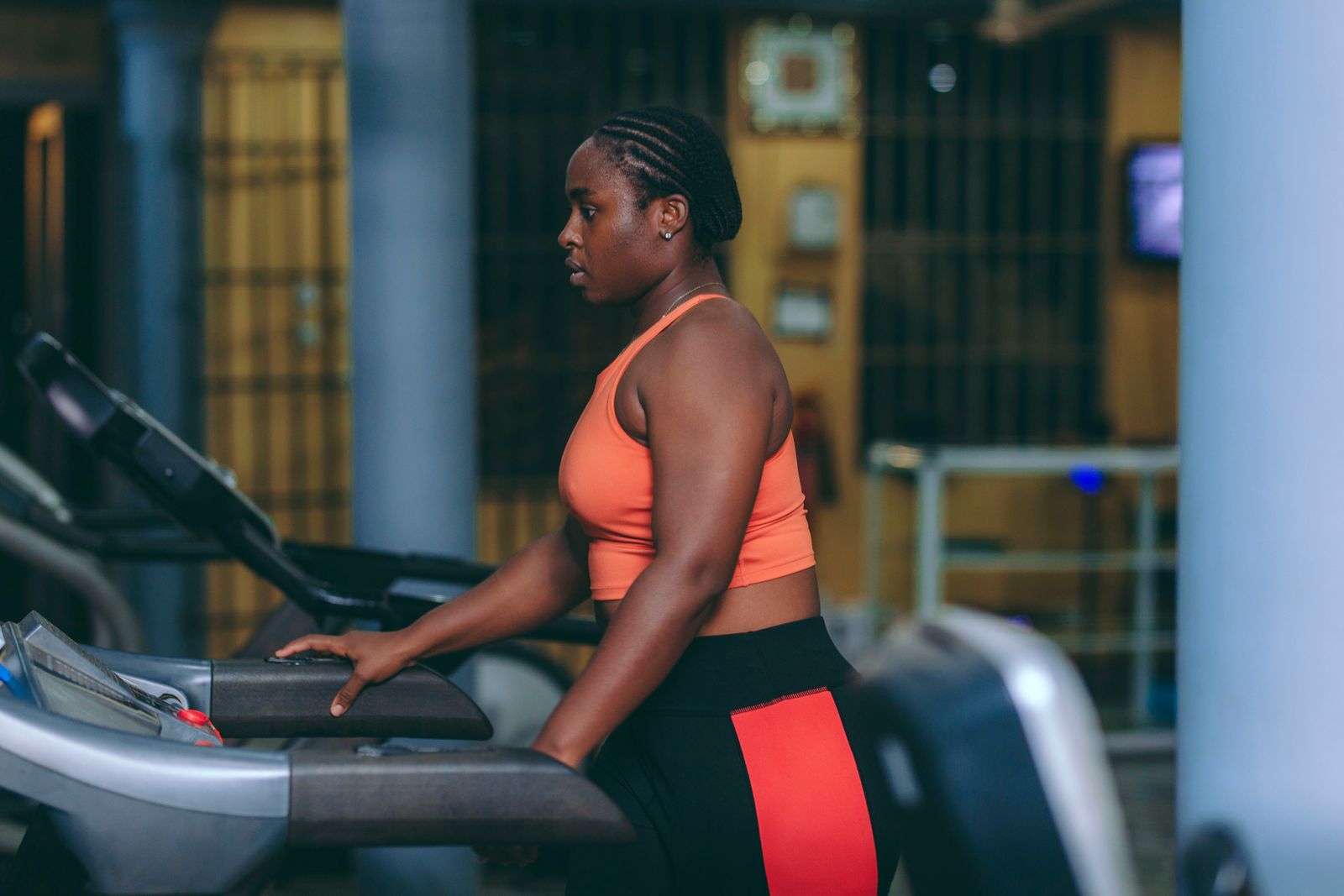
Trainer Reacts to the Viral 12-3-30 TikTok Workout
A personal trainer from Healthline breaks down the viral 12-3-30 treadmill workout, explaining its benefits, limitations and how beginners should build up to it safely.
Three minutes into your first 12-3-30 workout, you may have a surprising thought: How can walking feel this hard? You are not running. There are no burpees. Yet the treadmill is tilted uphill, your breathing is getting louder, and those remaining minutes suddenly look very long.
That contrast explains much of this workout’s appeal. The instructions are simple, but the effort is real. For someone who dislikes running or feels overwhelmed by complicated exercise plans, that combination can be inviting.
But does the 12-3-30 workout for weight loss actually work? Yes, it can contribute to weight loss by increasing energy expenditure and helping you exercise consistently. What it cannot do is guarantee fat loss, target belly fat, or replace a sustainable eating pattern. And despite its walking-only format, it is not automatically a beginner workout.
Here is how the routine works, what its benefits and limitations really mean, and how to start without turning your first session into your last.
1. What Is the 12-3-30 Workout, Exactly?
The routine, popularized by social media creator Lauren Giraldo, uses three treadmill settings:
- 12: Set the treadmill to a 12% incline.
- 3: Walk at 3 miles per hour, approximately 4.8 kilometers per hour.
- 30: Maintain those settings for 30 minutes.
A 12% incline is a gradient, not a 12-degree angle. Think of it as climbing 12 units vertically for every 100 units traveled horizontally. It is a substantial hill, especially when you keep climbing without the downhill sections you would encounter outdoors.
Also, check how your treadmill labels its controls. An incline setting marked “12” does not always mean 12% on every machine. Some equipment uses levels instead of percentages, and many compact walking pads cannot reach the required grade.
Why walking uphill feels different
Walking uphill requires more work against gravity than walking on level ground at the same speed. Your cardiovascular system works harder, and muscles around your hips, thighs, and calves help propel you up the slope.
For a well-conditioned walker, the workout may feel manageable. For someone returning to exercise, the same settings can be vigorous. A fixed treadmill setting does not create the same intensity for every body.
That is the first useful shift in perspective: 12-3-30 is a recipe, not a fitness test. You can borrow the idea of steady incline walking without following every number from day one.
Does the 30 minutes include warming up?
The familiar formula describes the main walking segment. Add an easier warm-up and cooldown rather than jumping straight to a steep hill. A complete session may therefore take about 40 minutes, even though the headline says 30.
2. Does the 12-3-30 Workout Work for Weight Loss?
It can, but the useful explanation is less dramatic than most before-and-after posts. Walking uphill burns energy. Repeating that activity can help create an energy deficit, meaning you use more energy than you consume over time. That deficit supports weight loss.
However, exercise does not operate in isolation. Appetite, food intake, sleep, medication, health conditions, and movement outside your workouts all affect the result. Some people become hungrier after training or move less later because they are tired. Those responses can partly offset the energy used during the session.
There is no established evidence that the exact combination of 12% incline, 3 mph, and 30 minutes has a unique fat-loss advantage. The broader evidence supports regular physical activity and sustainable nutrition strategies, not a special property of those three numbers.
How many calories does 12-3-30 burn?
There is no universal number. Calorie expenditure depends on body mass, actual speed and incline, walking mechanics, and whether you support yourself on the handrails.
For context, a standard exercise-physiology walking equation estimates that a 70-kilogram, or roughly 154-pound, adult might expend about 300 calories over 30 minutes at the full settings without leaning on the rails. That is a theoretical estimate, not an individual measurement, and it includes energy the body would use at rest during that time.
A lighter person would generally expend less and a heavier person more. Treadmill displays and watches also have measurement error. Treat their numbers as rough context, not a precise food allowance or proof that you have created a particular deficit.
What about belly fat?
The workout cannot selectively remove fat from your abdomen. Neither an incline setting nor a particular heart-rate zone tells your body where to lose fat. Fat distribution and changes in it depend on factors including genetics, hormones, and overall fat loss.
You may notice your waist change over time as part of broader body-composition changes. But a promise that 12-3-30 specifically “melts belly fat” goes beyond what the routine can deliver.
When should you expect results?
You may notice improved exercise tolerance within a few weeks, although responses vary. Weight changes are less predictable. Starting a new routine can temporarily increase water retention, and daily weight also fluctuates with sodium intake, digestion, and menstrual-cycle changes.
Give yourself several consistent weeks before drawing conclusions. Track the behavior you can control first: sessions completed, comfortable walking time, and recovery. A workout can be improving your health even when the scale is not moving.
3. The Benefits—and Trade-Offs—Worth Knowing
The biggest benefit of 12-3-30 may not be physiological. It removes decisions. You know where to go, what to do, and when you are finished. For someone whose exercise plans usually collapse under their own complexity, that simplicity matters.
What makes it appealing
- It is straightforward: There are no choreography sequences or complicated intervals to memorize.
- It can improve aerobic fitness: Repeated sessions at an appropriate intensity challenge your heart and lungs.
- It avoids running: Walking generally involves lower impact than running, which some people find more comfortable.
- It is adjustable: You can change the slope, speed, or duration to suit your current capacity.
- It is weather-independent: An indoor treadmill makes scheduling easier when outdoor conditions are poor.
World Health Organization guidance recommends that adults aim for 150–300 minutes of moderate-intensity aerobic activity per week, or 75–150 minutes of vigorous activity, or an equivalent combination. It also recommends muscle-strengthening activity on at least two days weekly.
Five 30-minute sessions add up to 150 minutes, but that arithmetic is not a reason to begin with five steep workouts. Your actual intensity, recovery, and other activity matter. Smaller amounts of movement are still valuable, especially when you are starting out.
Where the routine falls short
- Low impact does not mean low strain: A steep incline can heavily challenge the calves, Achilles tendons, and feet.
- It requires suitable equipment: Gym access or an incline treadmill adds cost and inconvenience.
- It can become repetitive: If you dread every session, the simple format may not help adherence.
- It is not a complete fitness program: It does not replace full-body strength training or balance work.
- The fixed numbers can encourage overreaching: Matching a viral routine is not worth ignoring pain or exhaustion.
Compared with flat walking, incline walking usually raises effort at the same speed. Compared with running, it may offer a more comfortable impact profile for some people. But neither comparison makes it universally better. The best option is one you can perform safely and repeat willingly.
4. How to Start Without Overdoing It
Imagine a hypothetical beginner named Maya. She sees the workout online, sets everything exactly as instructed, and lasts six minutes before gripping the rails and stepping off. She decides she is “bad at cardio.”
Now imagine a different first session: five easy minutes, ten minutes at a modest incline, and a gentle cooldown. She finishes feeling challenged but capable of returning. Same person, different dose. The second approach gives her something the first did not: a next workout she actually wants to do.
Your starting point should match your current fitness, not someone else’s finished routine.
Try this first-session template
- Warm up for 5 minutes: Walk at an easy pace on a flat or nearly flat setting.
- Walk uphill for 5–10 minutes: Try a 2–4% incline at a speed that lets you walk naturally. For some people, that may be around 2–2.5 mph; others will need less.
- Check your breathing: You should be able to speak in sentences if you are aiming for moderate effort.
- Cool down for 5 minutes: Gradually reduce the incline and pace.
If even that feels too demanding, begin with flat walking and shorter sessions. There is no minimum incline required for a walk to count.
Use effort to guide the settings
On a 0–10 effort scale, where 0 is rest and 10 is maximal effort, many beginners should keep most of the session around a manageable 3–5. The number is subjective; use it alongside your breathing and how steadily you can walk.
For moderate-intensity exercise, the talk test is useful: you can talk, but singing would be difficult. If you can only get out a few words at a time, you are likely working vigorously. Lower the settings if that is more intense than intended.
A flexible progression, not a deadline
- First stage: Complete two or three comfortable sessions per week at a low incline, with recovery between sessions.
- Next stage: Add a few minutes when your current duration feels manageable and you recover well.
- Later: Increase incline gradually while keeping speed steady, or adjust speed while holding the incline steady.
- Only if appropriate: Work toward the full settings once you can maintain good form without hanging on the rails.
Spend as long as needed at each stage. Increasing duration, speed, and incline together makes it harder to tell what your body tolerates. Change one variable at a time, and repeat or reduce a session if soreness or fatigue lingers.
You might eventually reach 12-3-30. You might discover that 6-2.5-25 fits your body and schedule better. Both can support meaningful progress.
5. Technique, Safety, and Treadmill Checks
Steep treadmill walking should look controlled, not like you are being pulled uphill by the handlebars. If your posture falls apart, the settings are too demanding for that moment.
Keep your walking mechanics simple
- Look forward: Avoid staring down at your feet or bending over your phone.
- Use comfortable steps: Do not reach far ahead with each stride or force a particular foot strike.
- Stay tall through your torso: A slight natural forward lean is fine; folding at the waist is not the goal.
- Let your arms move naturally: When safe, avoid supporting your body weight on the rails.
- Use the safety clip: Know how to stop the treadmill before increasing the incline.
Briefly touching a rail for balance is different from leaning backward while hanging on. If you need continuous hand support, reduce the challenge. If you need rails because of a balance limitation, prioritize stability and seek individualized guidance rather than trying to copy hands-free technique.
Know the difference between effort and a warning
Faster breathing and working muscles are expected. Sharp pain, increasing tendon pain, altered walking mechanics, or dizziness are not signals to push through. Stop the session if they appear.
Chest pain, fainting, or severe or unusual shortness of breath require prompt medical attention. Do not dismiss them as evidence that the workout is effective.
If you have a known heart or lung condition, significant balance problems, an active foot or Achilles injury, or recent surgery, ask a qualified healthcare professional whether steep treadmill walking is appropriate. Pregnancy, the postpartum period, and medications that affect heart rate or blood pressure can also call for personalized adjustments.
Not everyone needs medical clearance to begin gentle walking. But a demanding incline workout is a different starting point from an easy stroll, especially if you have been inactive or have symptoms.
Before buying a treadmill
Try incline walking at a gym or fitness facility first if possible. You do not need to buy expensive equipment to discover whether you enjoy this form of exercise.
- Confirm that the machine reaches a true 12% incline if completing the original formula matters to you.
- Check the user-weight rating, belt dimensions, stability, and emergency-stop features.
- Consider ceiling clearance: the inclined deck raises your position.
- Check manufacturer guidance, maintenance needs, warranty coverage, and return terms.
- Choose usable controls and a comfortable walking surface over an impressive calorie display.
6. Build a Weight-Loss Plan Around the Walk
The treadmill session is one piece of the week, not a permission slip to ignore everything else. You do not need an extreme diet alongside it, but you do need habits that support your goal without leaving you depleted.
Eat for consistency, not compensation
Build regular meals around a protein source, vegetables or fruit, fiber-rich carbohydrates, and suitable amounts of fat. Examples include yogurt with oats and berries, a bean-and-rice bowl with vegetables, or fish or tofu with potatoes and greens.
Protein and resistance training help support muscle retention during weight loss. Fiber-rich foods can support fullness. Neither requires perfect eating or eliminating all treats.
Avoid automatically “eating back” every calorie shown on the treadmill. Equally, do not ignore persistent hunger, dizziness, or declining energy to force faster results. If you need an individualized eating plan, particularly with diabetes, an eating-disorder history, or other medical needs, a registered dietitian can help.
Pair walking with strength and recovery
Incline walking challenges your legs, but it is not a substitute for progressive strength training. A balanced week might include:
- Monday: An appropriately scaled incline walk.
- Tuesday: Full-body strength training.
- Wednesday: An easy outdoor walk or rest.
- Thursday: Another incline session.
- Friday: Full-body strength training.
- Saturday: An optional comfortable walk, bike ride, or swim.
- Sunday: Rest or gentle movement.
This is an example, not a required schedule. If you are new to both cardio and strength training, start with less total exercise and build gradually.
Protect sleep and everyday movement, too. A workout that leaves you sitting exhausted for the rest of the day may be a poorer fit than a slightly easier session that lets you stay active.
Track more than body weight
If weighing yourself is helpful and does not create distress, compare trends under similar conditions rather than reacting to single readings. You can also track waist measurements, how clothes fit, or a consistent walking session that gradually feels easier.
Keep a simple note after training: duration, incline, speed, effort, and any discomfort. That information is often more useful for planning your next session than the estimated calories.
7. Make the Routine Work for You, Not the Other Way Around
Should you do 12-3-30 every day?
You do not need to. Daily steep walking may be more repetitive loading than your feet and lower legs tolerate, especially at first. Two or three scaled sessions with easier days between them can be a more practical starting point.
As fitness improves, you can adjust frequency based on recovery and the rest of your training. More is not automatically better if it brings pain, dread, or persistent fatigue.
What if you cannot finish 30 minutes?
Shorten the session or split activity into smaller bouts. Two manageable walks can be more useful than one session you repeatedly abandon. Health benefits do not begin only when the timer reaches 30 minutes.
What if your weight does not change?
First, check whether you have allowed enough time and whether your routine is consistent. Then review food portions, drinks, appetite changes, sleep, and overall activity without assuming you need a steeper incline.
If fitness is improving but weight is stable, the workout is still doing something valuable. If weight loss remains your goal, modest nutrition adjustments may be more useful than adding increasingly exhausting exercise. A clinician or dietitian can help when progress is unexpectedly difficult or medical factors may be involved.
The next step is smaller than you think
The 12-3-30 workout can be a useful tool for weight loss, cardiovascular fitness, and building an exercise habit. Its strengths are simplicity and adjustable effort—not special fat-burning numbers.
Your next step does not have to be 30 minutes at a 12% incline. It can be putting a short walk on your calendar, learning the treadmill controls, and choosing a pace you can handle with confidence.
The best session is not the one that proves how much discomfort you can tolerate. It is the one that helps you come back stronger, steadier, and willing to continue. Start with that, and let the numbers follow your progress.