
7 Sneaky Foods That Seem Healthy But May Harm Your Health
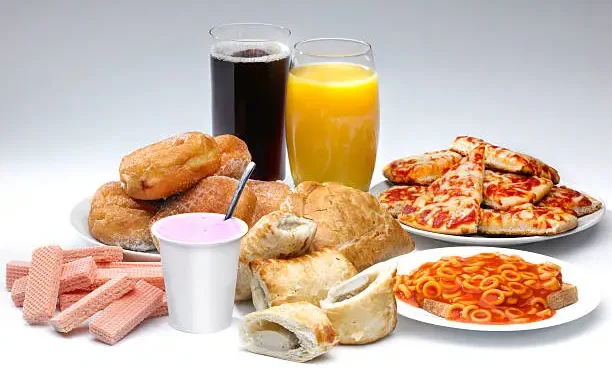
7 Most Harmful Foods that People Keep Eating !
Welcome to Healthy Habitat, where we delve deep into the world of nutrition and wellness. In today's video, we're uncovering the "7 Most Harmful Foods People Keep Eating." While you might be familiar with some, others could genuinely shock you. With so much misleading information out there, it's easy to get confused about what's truly beneficial for our health. From the everyday meals we cherish to those occasional indulgences, there are harmful foods we eat every day that might be taking a toll on our well-being.
You’ve probably been there: standing in the grocery aisle, scanning shelves for foods that’ll make you feel fantastic. The packaging screams “natural,” “low-fat,” or “high-protein,” and you toss it into your cart with a little satisfaction. But what if I told you that some of these so-called healthy foods could actually be undercutting your health goals? Don’t worry—you’re not alone. Let’s unravel the truth behind seven foods that wear a health halo, but bring more risk than reward. Ready to discover some shocking facts?
Welcome to the Health Food Hall of Illusions
Our relationship with food is personal—and confusing. Labels bombard us with claims, influencers post their breakfast bowls, and everyone’s got an opinion. But not everything that sounds healthy actually is healthy. In fact, many “good for you” options are loaded with hidden sugars, preservatives, or stripped of nutrients.
Before you prepare your next meal or snack, let’s peel back the label on seven foods you need to watch out for—plus practical tips to protect your health without feeling deprived.
1. Granola: The Breakfast Trap
Remember those Instagram-worthy parfaits layered with crunchy granola? The story goes: oats, nuts, and a bit of honey—that’s got to be good, right? Well, here’s the twist. Most store-bought granola is loaded with added sugars, syrups, and unhealthy oils. A single serving (which is usually smaller than you think!) can deliver over 20 grams of sugar—a breakfast sugar bomb.
- What makes it tricky? Clever marketing and small portion sizes on labels hide the true sugar and calorie count.
- Smart swap: Try making your own granola at home with rolled oats, raw nuts, unsweetened coconut, and just a drizzle of honey or maple syrup. Control what goes in—and out!
2. Flavored Yogurt: The Silent Sugar Culprit
Flavored yogurt feels like a healthy snack—creamy, satisfying, with probiotics for your gut. But here’s the reality: many brands add fruit jams and sweeteners that turn a small cup into a dessert. Some have as much sugar as a doughnut!
- Behind the label: Even “low-fat” versions can be sugar-rich, as fat removed often means flavor added by sweeteners.
- Story in a spoon: Emma, a busy mom, switched from vanilla yogurt to plain Greek yogurt, adding her own fruit at home. She noticed fewer cravings and more energy in just a week.
- Pro tip: Mix plain yogurt with fresh berries, chia seeds, and cinnamon for a truly healthy boost.
3. Veggie Chips: The Crispy Illusion
Who doesn’t want to snack smarter? Veggie chips sound like the perfect solution: all the joy of potato chips, but loaded with veggies. But most brands swap potatoes for beets or kale, then fry them in the same oils and season them with just as much salt. The result? A snack as processed—and as addictive—as the original.
- Truth bite: Many veggie chips have a veggie powder, not actual vegetables, meaning less fiber and nutrition than you’d expect.
- Healthier munch: Slice real sweet potatoes or zucchini, season with olive oil and herbs, and bake at home.
4. Multi-Grain Bread: The Deceptive Slice
The “multi-grain” phrase conjures images of hearty, nutrient-packed bread, but don’t let the name fool you. Most supermarket breads use refined flour as the base, adding just a sprinkle of other grains for show. The fiber content is often low, causing blood sugar spikes and quick crashes.
- Label lowdown: Look for “100% whole grain” or “whole wheat” listed as the first ingredient, and seek at least 3 grams of fiber per slice.
- Real-life hack: Mike, a marathon runner, swapped his “multi-grain” bread for sprouted whole-grain bread and noticed he stayed full longer and recovered faster from workouts.
5. Diet Sodas: The Calorie-Free Trap
No sugar, no calories—no problem, right? Not so fast. Artificial sweeteners in diet sodas may trick your brain and gut, promoting cravings and even disrupting your metabolism. Studies suggest diet sodas are linked to higher risks of obesity, metabolic syndrome, and even stroke. That’s a real wake-up call.
- Research snapshot: According to a 2023 Harvard study, those who consumed more than one diet soda daily had a 36% higher risk of developing metabolic syndrome compared to non-drinkers.
- Bottom line: Swap out diet sodas for sparkling water with a splash of citrus or herbal teas for a hydrating, refreshing option.
6. Store-Bought Smoothies: The Sugar Bomb in Disguise
You walk into your favorite café and choose a smoothie, thinking you’ve made the better choice over a pastry. But most commercial smoothies are engineered to taste like dessert. They use fruit concentrates, sweetened yogurt, and even ice cream, racking up hundreds of calories and as much sugar as a cola.
- Case in point: A 16-ounce “healthy” smoothie can contain 60 grams of sugar—over twice the daily recommended amount for women.
- DIY solution: Blend your own at home: use frozen spinach or kale, unsweetened almond milk, a small banana, and a handful of berries for a fiber-filled, low-sugar shake.
7. Protein Bars: Convenience at a Cost
Protein bars are gym-bag staples, but many are little more than glorified candy bars. Hidden sugars, artificial flavors, and unpronounceable ingredients can sabotage your nutrition goals. A quick glance at the label often reveals 20+ grams of sugar and questionable protein sources.
- Sneaky sugars: Watch out for “brown rice syrup,” “invert sugar,” or “high fructose corn syrup” on the ingredients list.
- Choose wisely: Opt for bars with whole ingredients: nuts, seeds, egg whites, and less than 8 grams of sugar per serving. Or consider packing your own trail mix instead.
Why Are These Foods So Deceptive?
It’s easy to be seduced by clever packaging and persuasive claims. But food marketing is a billion-dollar industry, banking on buzzwords like “organic,” “natural,” and “multi-grain.” The responsibility is pushed onto us—the shoppers—to spot the difference between marketing and real nutrition. Remember, a food’s true health value is in what’s inside, not what’s written on the outside.
How to Outsmart Sneaky Foods
- Read the ingredients—not just the claims.
- Look for whole, minimally processed foods.
- Keep added sugars below 25 grams/day for women, 36 grams/day for men (American Heart Association).
- Trust your kitchen! Homemade meals and snacks let you control what goes in.
- Don’t fall for exotic names—simplicity often wins.
Conclusion: Reclaiming Your Health, One Choice at a Time
The next time you reach for a snack or meal that “seems” healthy—pause. Question what’s inside, read the labels, and remember: real health lives in simplicity and awareness. Food should give you energy, not take it away. You have the power to make smarter choices, say goodbye to sneaky imposters, and reclaim your vitality.
Ready to take control? Start with just one swap this week. Share what you learn with a friend (they might thank you!) and enjoy the benefits of fueling your body wisely. Because healthy living isn’t just about salads and smoothies—it’s about knowing what serves you best. Let’s eat smart and feel amazing, together!