
Cowboy Butter Recipe: How to Make It at Home
Cowboy Butter Recipe (Two Ways)
Chili Pepper Madness shows two ways to make cowboy butter: a quick melted garlic-herb dipping sauce and a sliceable compound butter log to spoon over steak or grilled food.
The steak is resting. The potatoes are crisp. Everything smells good, but the plate still needs something—the kind of finishing touch that makes everyone reach for another bite before the conversation resumes.
That is where cowboy butter comes in. Warm butter carries garlic, lemon, mustard, herbs, and a little chili heat into every corner of your dinner. It tastes bold without requiring a complicated technique, a specialty appliance, or a long shopping list.
This cowboy butter recipe takes about 10 minutes and works as a dipping sauce, a finishing drizzle, or a chilled compound butter. Below, you will find exact quantities, a dependable stovetop method, practical substitutions, and the small adjustments that keep it bright and balanced rather than simply buttery.
1. What Is Cowboy Butter—and Why Does It Work?
Cowboy butter is a seasoned butter mixture typically made with garlic, lemon, Dijon mustard, fresh herbs, and chili. Some versions include horseradish or hot sauce; others lean harder into smoked paprika. There is no single fixed formula, which is part of its appeal.
Think of it as garlic butter with a broader flavor range. Garlic provides savory depth, lemon brings acidity, mustard adds tang, and herbs supply freshness. Chili gives the finish a gentle kick—or a bigger one, if that is your style.
The balance matters more than the heat
A great batch should not taste like melted butter followed by a blast of cayenne. You want the flavors to arrive together. The first bite feels rich, the lemon keeps that richness from lingering too heavily, and the herbs make the next bite inviting.
Imagine serving a plain baked potato. Butter alone makes it softer and richer. Cowboy butter adds contrast: little flecks of parsley, a savory garlic aroma, and enough acidity to wake up the fluffy center. The same principle works with steak, shrimp, mushrooms, or roasted cauliflower.
- Butter: carries flavor and gives the sauce its luxurious texture.
- Lemon and Dijon: bring tang that balances the richness.
- Garlic: creates the savory backbone.
- Fresh herbs: add aroma, color, and a clean finish.
- Chili and paprika: contribute warmth and depth.
The practical takeaway? Do not judge cowboy butter by how many seasonings you can squeeze into it. Judge it by whether one spoonful makes the food underneath taste better.
2. The Cowboy Butter Recipe: Ingredients and Timing
This version is garlicky, lemony, and gently spicy. It is designed as a finishing sauce, not a marinade or a cooking fat for high-heat searing.
- Prep time: about 5 minutes.
- Cook time: 3–5 minutes.
- Total time: about 10 minutes.
- Yield: approximately 3/4 cup, depending on how tightly you measure the herbs.
- Servings: about 8, using roughly 1 1/2 tablespoons per serving.
Ingredients
- 1/2 cup (113 g) unsalted butter, cut into pieces
- 3 medium garlic cloves, very finely minced or grated
- 1 tablespoon fresh lemon juice, plus more to taste
- 1 teaspoon finely grated lemon zest
- 2 teaspoons Dijon mustard
- 2 tablespoons finely chopped fresh parsley
- 1 tablespoon finely sliced fresh chives
- 1/2 teaspoon smoked paprika
- 1/4 teaspoon crushed red pepper flakes
- 1/4 teaspoon fine sea salt, plus more to taste
- 1/4 teaspoon freshly ground black pepper
- 1/8 teaspoon cayenne pepper, optional
Equipment: a small saucepan, a whisk or spoon, a fine grater, a knife, and measuring spoons. A light-colored saucepan makes it easier to see whether the garlic is starting to brown.
What to check when buying ingredients
Ordinary unsalted dairy butter works beautifully. You do not need an expensive premium brand, although butter you already enjoy on bread is a sensible choice. Unsalted butter offers better control because Dijon mustard and the food you serve alongside it may already contain salt.
Choose parsley and chives that look fresh rather than limp or slimy. Pick a firm lemon and wash it before zesting. When grating the peel, take only the colored outer layer; the white pith underneath can taste bitter.
Check your paprika label, too. Smoked paprika contributes a smoky note, while sweet paprika gives a milder pepper flavor. Hot paprika can increase the heat considerably, especially alongside cayenne and chili flakes.
If serving someone with allergies, check the butter and mustard labels. This recipe contains milk and mustard, and some prepared mustards contain additional ingredients that may matter to your guests.
A note on richness and portions
Cowboy butter is a concentrated condiment, not a light broth-style sauce. Divided into eight servings, the butter alone contributes about 100 calories per serving; the other ingredients add a small amount. Start with a modest spoonful and offer extra at the table. You often need less than you think.
3. How to Make Cowboy Butter Without Burning the Garlic
The most important technique is also the simplest: keep the heat low. You are gently warming the ingredients together, not frying them until crisp. Have everything chopped and measured before you turn on the stove.
Step 1: Prepare the fresh ingredients
Finely mince or grate the garlic. Chop the parsley and chives small enough that they distribute through the butter instead of floating in large clumps. Zest the lemon before cutting it, then measure the juice.
Grated garlic produces a stronger, more evenly distributed flavor. Finely minced garlic gives you slightly softer bursts of garlic in individual bites. Either works; avoid large chunks that can taste harsh after a short cooking time.
Step 2: Gently melt the butter
Put the butter in a small saucepan over low heat. Stir occasionally until it is mostly melted. If the pan begins sizzling vigorously, lift it off the heat briefly or lower the burner.
A little foam is normal. Darkening milk solids or a toasted aroma mean you are moving toward browned butter. That can be delicious in other dishes, but this recipe aims for a fresher, cleaner flavor.
Step 3: Warm the garlic and spices
Add the garlic and stir for 30–60 seconds, just until fragrant. Add the smoked paprika, red pepper flakes, and optional cayenne, then stir for about 15 seconds.
The garlic should stay pale. Small pieces can go from golden to bitter quickly, especially in a thin pan. If it burns, starting again is more effective than trying to hide the bitterness with lemon or extra herbs.
Step 4: Add the bright ingredients off the heat
Remove the saucepan from the burner. Whisk in the Dijon mustard, lemon juice, lemon zest, salt, and black pepper. Stir in the parsley and chives last.
Adding the herbs off the heat helps preserve their fresh aroma and color. The mustard helps the mixture come together, although cowboy butter is not a permanently stable emulsion. Some separation as it sits is normal.
Step 5: Taste it on food, not just on a spoon
Dip in a piece of bread, a potato wedge, or a bite of the food you plan to serve. A sauce that seems strongly flavored on its own may taste just right once spread across an entire bite.
- Too rich or flat? Add lemon juice 1/2 teaspoon at a time.
- Not savory enough? Try a small pinch of salt before adding more garlic.
- Too sharp? Stir in another tablespoon of butter.
- Not spicy enough? Add a pinch of cayenne or a few extra chili flakes.
Serve warm, giving it a quick stir before pouring. If you are cooking steak, make the sauce while the meat rests. That timing brings both to the table without leaving the butter on the stove for too long.
4. Warm Sauce or Compound Butter? Choose Your Finish
The same flavor combination can serve two different purposes. A warm cowboy butter dipping sauce coats food immediately. A chilled compound butter melts gradually, making it useful for portioning and finishing individual servings.
For dipping and drizzling
Use the stovetop recipe as written. Pour it into a small serving bowl and stir occasionally, especially if the herbs settle toward the bottom. A gently warmed bowl can help keep the butter fluid during the meal.
Warm the bowl with hot tap water, then empty and dry it thoroughly before adding the sauce. It is a small hosting trick that buys you a little extra time without continuing to cook the garlic.
If the butter starts to thicken, that is not a failure. It is simply cooling. Rewarm it gently rather than boiling it back into a liquid.
For sliceable cowboy compound butter
Start with the same ingredient quantities, but soften the butter rather than melting it all. For a milder garlic flavor, take 1 tablespoon from the measured butter and warm it with the garlic and dry spices over low heat. Remove from the heat and let that mixture cool until it is no longer warm.
Mash the cooled garlic mixture into the remaining softened butter with the mustard, herbs, zest, salt, and pepper. Add the lemon juice a teaspoon at a time, beating well between additions. Softened butter cannot hold unlimited liquid, so stop if the mixture becomes wet or refuses to combine; you can serve any remaining lemon juice alongside the finished dish.
Spoon the mixture onto parchment paper, shape it into a short log, wrap tightly, and refrigerate until firm, usually 1–2 hours. Slice off a small round and place it on hot steak, grilled corn, or a baked potato.
Which version should you choose? Use warm sauce when everyone wants to dip. Choose compound butter when you want neat portions or a make-ahead finishing touch. Neither is better; they simply solve different dinner problems.
5. Easy Variations—and Fixes for Common Mistakes
Once you have made the basic recipe, adjusting it becomes straightforward. Change one element at a time so you can tell what actually improves the flavor.
Make it mild without making it bland
Skip the cayenne and reduce the chili flakes to a small pinch, or leave them out entirely. Keep the garlic, lemon, mustard, and herbs. Those ingredients provide plenty of flavor without requiring noticeable heat.
For a mixed table, make a mild batch and put hot sauce or chili flakes beside it. That is easier than trying to remove heat after it has already infused the butter.
Build a bolder steakhouse version
Add 1 teaspoon of prepared horseradish, drained if watery, for a sharper finish. Taste before adding more. Horseradish creates a different sensation from chili, so you may prefer to reduce the cayenne rather than piling on both.
You can also add 1/2 teaspoon of Worcestershire sauce for deeper savory flavor. Check the label if serving vegetarians or anyone with a fish allergy, since traditional versions often contain anchovies.
Use what is already in your kitchen
- Salted butter: use it, but omit the added salt initially and adjust at the end.
- No fresh garlic: begin with 1/2 teaspoon garlic powder. It will taste different, but it makes a useful pantry version.
- No fresh herbs: try 2 teaspoons dried parsley and 1 teaspoon dried chives. Stir them into the warm butter and give them a few minutes to soften.
- No smoked paprika: substitute sweet paprika for a less smoky result.
- No chives: finely slice the green tops of a scallion, using a little less at first.
- Dairy-free option: use a plant-based butter suitable for cooking, and adjust salt and lemon carefully because brands vary.
Why did the butter separate?
Butter contains fat and water, and this recipe adds more water through lemon juice and mustard. The mixture may separate into shiny butter and a tangier liquid layer, particularly if it gets too hot or sits for a while.
Remove it from the heat and whisk. If it still looks oily, try whisking in 1 teaspoon of warm water. This can help bring it together temporarily. Do not keep adding liquid indefinitely, and do not expect the texture of a thick cream sauce.
What if it tastes sour, salty, or overpowering?
For excess acidity or salt, add more unsalted butter and a little extra parsley. For too much chili, increasing the unseasoned butter also helps dilute the heat. Lemon does not remove salt or neutralize chili, so adding more can make an already unbalanced sauce even busier.
If the garlic is too aggressive but not burned, warm the mixture gently for another minute. Avoid simmering hard, which can dull the herbs and encourage separation. Next time, use fewer cloves or mince rather than grate them.
6. What to Serve with Cowboy Butter Beyond Steak
Steak may be the classic partner, but the sauce earns its place in your kitchen when it rescues an ordinary weeknight dinner. A tray of vegetables and a bowl of rice can become much more inviting with one well-seasoned finishing touch.
Steak, chicken, and seafood
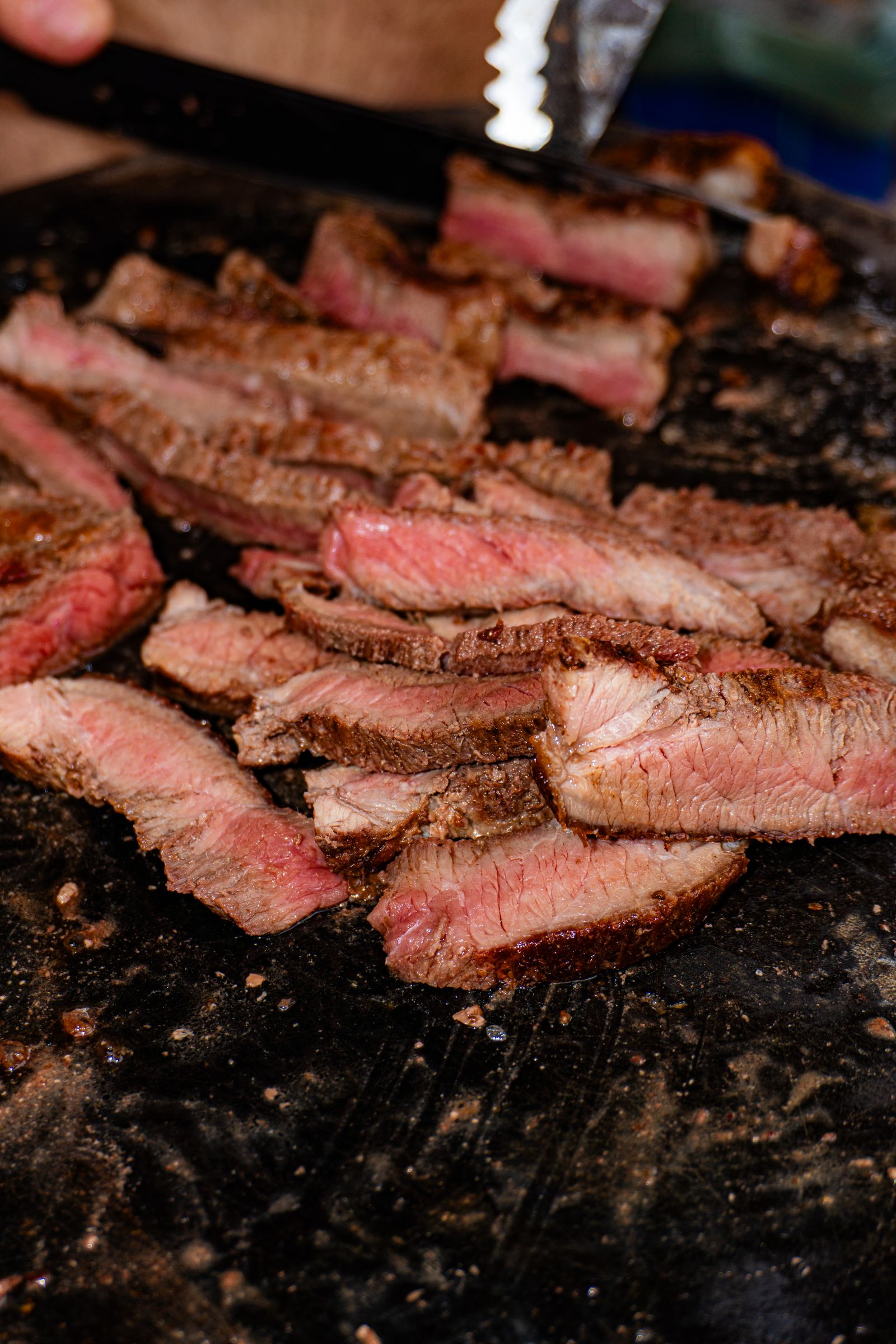
Drizzle cowboy butter over rested, sliced steak, or serve it alongside so the crust stays crisp. Because the sauce already contains salt, take the meat's seasoning into account before adding more to the butter.
For chicken, spoon a little over cooked thighs or sliced breast just before serving. For shrimp, toss cooked shrimp with the sauce off the heat. Delicate fish benefits from a smaller amount so its flavor does not disappear beneath the garlic and chili.
Use it as a finishing sauce, not as evidence that food is cooked. Follow safe internal-temperature guidance for your protein, and keep sauce intended for serving away from raw meat and its utensils.
Vegetables that can handle bold flavor
- Roasted potatoes: add a light drizzle immediately before serving, keeping extra sauce on the side to preserve crispness.
- Grilled corn: brush it on after grilling, then add a little extra chopped parsley.
- Roasted cauliflower: toss with a spoonful or two while hot.
- Green beans: drain cooked beans thoroughly before adding butter so the sauce does not become watery.
- Mushrooms: brown them first, then stir in cowboy butter off the heat.
Bread, pasta, and easy bowls
Brush a thin layer onto split bread before briefly toasting it, watching carefully because the garlic and herbs can scorch. Alternatively, toast the bread first and brush on the warm butter afterward.
For a quick pasta dinner, toss hot cooked pasta with a few spoonfuls of cowboy butter and a splash of reserved pasta water. Add the water gradually while tossing, just until the sauce lightly coats the noodles. Finish with peas, spinach, or leftover cooked chicken.
For a simple lunch bowl, combine warm rice, roasted broccoli, and chickpeas, then add a spoonful of the sauce. A squeeze of fresh lemon over the entire bowl can provide brightness without requiring more butter.
Here is a useful menu rule: let one component carry the cowboy butter. If the steak, potatoes, vegetables, and bread are all heavily coated, the meal loses contrast. Pair one buttery centerpiece with a crisp salad or simply dressed vegetables.
7. Make-Ahead Tips, Storage, and Your Next Great Dinner
Cowboy butter is quick enough to make at the last minute, but preparing it ahead can make dinner feel calmer. Chop and measure the ingredients earlier in the day, refrigerating the garlic and herbs in covered containers until needed.
How long does homemade cowboy butter last?
Transfer leftovers to a clean, covered container and refrigerate promptly at 40°F (4°C) or below. As a conservative home-storage guideline for this fresh garlic-and-herb mixture, use it within 3–4 days.
Do not store it at room temperature like plain butter. Adding fresh garlic and herbs changes the storage considerations, and the lemon juice in this recipe does not make it shelf-stable. Refrigerate within 2 hours of preparation or serving, or within 1 hour if the temperature is above 90°F (32°C).
Serve small amounts and refill from a clean reserve rather than saving a bowl that has been repeatedly dipped into with partially eaten food. Discard any sauce contaminated by raw meat or seafood.
Can you freeze it?
Yes. Portion the cooled butter into small freezer-safe containers or an ice cube tray. Once frozen, transfer the portions to a sealed freezer bag or container and label them with the date.
For best flavor, use within about 2–3 months. Thaw in the refrigerator, then stir well after gently warming. The herbs may lose some brightness, but frozen portions remain useful for finishing potatoes, vegetables, and quick dinners.
How to reheat without dulling the flavor
Warm only the amount you need in a small saucepan over the lowest heat, stirring frequently. Alternatively, microwave in short 5–10-second bursts, stirring between each one. Stop when the butter has just melted.
Avoid repeated warming and cooling of the whole batch. If the reheated sauce needs refreshing, add a little freshly chopped parsley or a few drops of lemon juice after tasting.
The finishing touch you will actually use
The best thing about this homemade cowboy butter recipe is not that it makes dinner elaborate. It makes a simple dinner feel complete. You can keep the steak plain, roast the vegetables without fuss, and let a small spoonful of sauce bring everything into focus.
Make the basic version first. Taste it on a warm potato or a piece of bread. Then decide whether your next batch needs more lemon, less heat, or an extra handful of herbs.
You do not need a special occasion to cook something memorable. Sometimes you just need dinner on the table, a little butter in a pan, and the confidence to give that final bite a little more character.