
Exploring the Carnivore Diet: How It Works & Getting Started
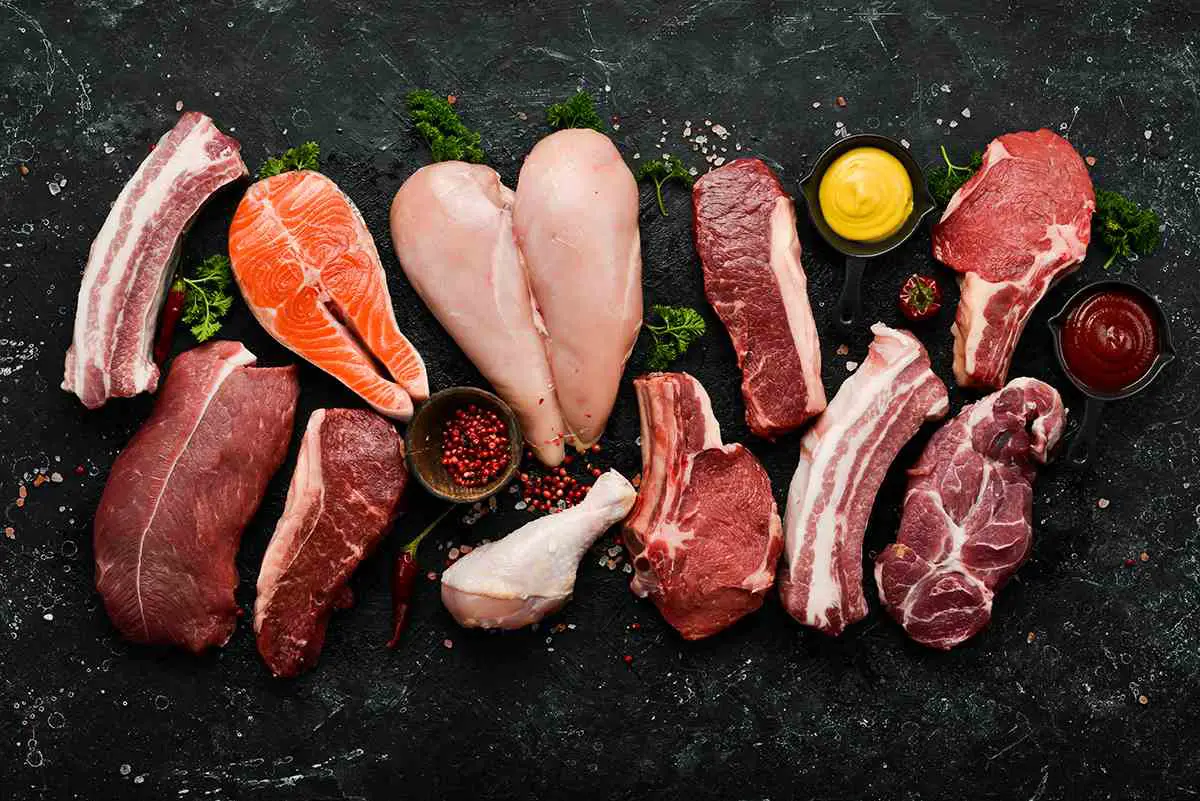
PANEL // Exploring the #carnivore diet with Ken Berry & Anthony Chaffee
"2 year carnivore here. Resolved multiple chronic health conditions and took my life back! Never felt better..."
What if I told you that some of the most shocking health transformations aren’t happening in fancy clinics—but over sizzling steaks and racks of ribs? Imagine thriving on nothing but animal foods. Sound wild? Behind the headlines and heated debates, the Carnivore Diet has quietly sparked powerful changes in people's lives, from weight loss to clearer mindsets. Curious? Let’s unpack the hype, the science, and the journey—starting with a simple question:
The Carnivore Diet: What Is It and Why Is Everyone Talking?
If you’ve noticed hashtags like #Carnivore or #MeatHeals trending, you’re not alone. The Carnivore Diet isn’t just a fad—it’s an increasingly popular way of eating where you consume exclusively animal products. That means:
- Beef, pork, lamb, poultry
- Fish and seafood
- Eggs
- Animal-based fats (tallow, lard, butter)
- Sometimes dairy (but opinions vary)
No fruits, no veggies, no grains. It’s a bold leap from conventional nutrition advice. But why are more people making the jump?
Why People Are Embracing the Carnivore Diet
This isn’t just about steak for breakfast—it’s building a movement. So what’s drawing fitness enthusiasts, busy professionals, and even people with chronic health issues to go all-in on animal foods?
- Rapid Weight Loss: For those tired of yo-yo results, the Carnivore Diet often leads to significant fat loss—seriously fast.
- Simplified Eating: Forget meal planning stress; you know exactly what’s on the menu. Every. Single. Day.
- Mental Clarity: Reports of improved focus, fewer mood swings, and better sleep are common—could going meat-only clear the mental fog?
- Reduced Inflammation: Many find aches and pains fade away, with conditions like arthritis and IBS showing improvement.
- Blood Sugar Stability: No sugar highs, no crashes—just steady energy all day long.
But does the science back up these claims? And are there real risks? Let’s dig deeper.
The Science Behind the Carnivore Diet: Separating Fact from Fiction
The Carnivore Diet draws inspiration from our distant ancestors and challenges the status quo on what humans should eat. But what do modern studies and experts say?
- Satiety and Appetite Control: High-protein, high-fat meals keep you full longer. Studies show protein’s unique power to suppress hunger hormones, making it easier to eat less without feeling deprived.
- Inflammation Reduction: Some research suggests eliminating carbs and plant antinutrients helps calm chronic inflammation, though more high-quality studies are needed.
- Simplicity, Fewer Food Choices: By narrowing food options, some people conquer food addiction and emotional eating.
A personal story: Meet John, a 42-year-old engineer. Plagued by joint pain and exhaustion, he tried everything—then switched to Carnivore. Within a month, he dropped 15 pounds and could bike further than ever before. While John’s results are inspiring, remember: everyone’s body is different.
Potential Downsides and Common Concerns
Hold on—does cutting out veggies and grains mean missing out on key nutrients? Let’s address the big questions that make skeptics pause.
- Fiber Deficiency: Won’t life without fiber wreck your gut? Interestingly, many Carnivore followers report improved digestion due to less irritation from plant fibers. But if you experience constipation, try bone broth or fattier cuts for relief.
- Micronutrient Gaps: B12? Covered. Iron? More than enough. But what about vitamin C, magnesium, or folate? Eggs, organ meats (like liver), and seafood fill most gaps—but it pays to rotate your meats and listen to your body.
- Cholesterol and Heart Health: Eating so much fat sounds risky, right? Some see their cholesterol markers rise, yet their triglycerides and inflammation drop. Always consult your doctor and track your labs before and during your journey.
- Sustainability and Social Life: Dining out can be tricky, and food variety drops. But many discover a new enjoyment in building meals around a few simple, delicious cuts.
Skeptical? Good. Questioning is healthy—and essential when making such a radical shift.
Getting Started: Your Guide to the Carnivore Diet in 7 Simple Steps
Ready to dip your toe—or dive headfirst—into the world of Carnivore? Here’s a step-by-step game plan to start strong and stay motivated:
- Step 1: Decide Your Commitment
Go all-in, or start by making one meal per day entirely Carnivore. Tracking your energy and mood during this phase can be eye-opening! - Step 2: Stock Up Right
Fill your fridge and freezer with a mix of beef, pork, chicken, eggs, and seafood. Want top-notch nutrition? Try grass-fed, wild-caught, or local sources when possible. - Step 3: Don’t Fear Fat
Embrace cuts like ribeye, pork belly, and even butter. Fat keeps you energized and genuinely happy (trust us!). - Step 4: Keep It Simple
Salt, pepper, garlic—sometimes that’s all you need! Many Carnivores prefer plain cooking; some add minimal spices for extra flavor. - Step 5: Listen to Your Body
Eat when hungry, stop when full. No need for strict calorie counting in the beginning. - Step 6: Plan for Challenges
Social event? Traveling? Pack jerky, hard-boiled eggs, or canned fish. Your future self will thank you! - Step 7: Track Results
Journal your journey: energy levels, mood, sleep, body composition. These notes fuel your motivation when cravings hit.
Pro tip: Don’t go it alone. Online Carnivore communities offer recipe swaps, troubleshooting, and encouragement. You might even inspire a friend or two!
Real-Life Transformations: Can You Relate?
Ask anyone who’s tried the Carnivore Diet—behind the before-and-after photos are gripping, personal stories. Like Sarah, a mom of three, who struggled with autoimmune flares for years. After three months of all-animal eating, she described “energy to keep up with the kids and a calm stomach for the first time in a decade.”
Or Mike, a desk-bound accountant. Tired of caffeine crashes and brain fog, he said goodbye to cereal and sandwiches. Today? He’s 40 pounds lighter, with laser-focus and a new confidence in and out of the office.
- What transformation could you write if you took the challenge?
Curiosity, not certainty, is your best ally when starting something new. What’s possible for you?
Beyond Meat: Tips for Long-Term Success
Once you’ve mastered the basics, how do you make Carnivore a sustainable—maybe even enjoyable—part of your lifestyle?
- Experiment with New Cuts: Ever tried beef cheeks, tongue, or wild salmon? Rotating meats boosts nutrition and battles boredom.
- Incorporate Organ Meats: Liver, heart, and kidney are the superfoods of the animal kingdom—just a few bites a week make a difference.
- Stay Hydrated: Extra protein increases your body’s water needs. Add a pinch of salt to your water or sip on bone broth.
- Electrolyte Balance: Don’t ignore sodium, potassium, and magnesium. Supplement if necessary, especially in the first weeks.
- Mindset Matters: There will be skeptics. Equip yourself with research, and focus on how your body feels, not just numbers on a scale.
The most successful Carnivores treat this as an ongoing journey, staying curious and adapting. If what you’re doing stops working, tweak it—don’t give up.
Your Next Chapter: The Carnivore Diet as an Invitation
Imagine a week from now: your energy restored, stubborn weight finally shifting, a sense of confidence you haven't felt in years. That’s the power that drives people to explore the Carnivore Diet—not just as a regimen, but as a personal revolution.
Ready to give it a try? Start today, even with just one meal. Keep an open mind, embrace curiosity, and share your progress. Who knows—maybe your story will inspire someone else on their own journey toward vibrant health.
The steak is sizzling, the plate is yours. Will you take the first bite?