
Gender Ideology in Schools: What’s Really at Stake?
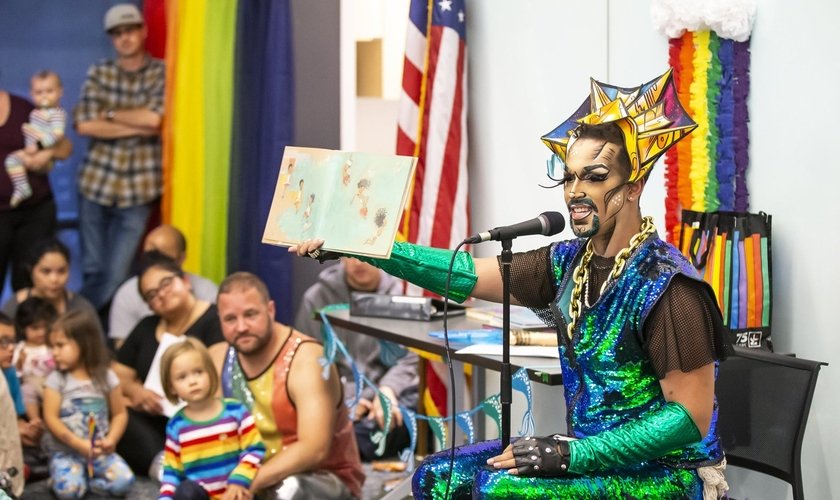
The Effects of Radical Gender Ideology in Schools, with Chris Rufo
Megyn Kelly is joined by Chris Rufo, senior fellow at the Manhattan Institute, to talk about the effects of radical gender ideology in schools, the push to teach this ideology to young kids, how it’s changing our current political and cultural climate, and more.
The Spark Behind the Controversy: Why Everyone’s Talking
Imagine walking into a school where every student feels understood, safe, and confident to be themselves. Sounds ideal, right? Yet, bring up the phrase “gender ideology” and watch how quickly the room divides. Why is this topic so heated? What’s driving parents, teachers, students—even lawmakers—into passionate debate?
If you’re reading this, chances are you’ve heard arguments on both sides but still wonder: What’s truly at play in the discussion about gender ideology in schools? Stick with me, because we’re about to pull back the curtain—and bust some myths along the way.
Defining the Debate: What Does “Gender Ideology” Even Mean?
Let’s get something straight: the term gender ideology is used in wildly different ways depending on who you ask. For some, it’s about inclusivity and recognizing diverse identities. For others, it’s a source of concern or confusion, sometimes painted as a threat to traditional values or childhood innocence.
But in the context of education, it generally refers to how schools address gender identity—covering everything from pronoun use, restroom access, curricula that mention LGBTQ+ topics, to policies protecting transgender students. The debate is less about whether gender matters, and more about how schools should approach it.
Why Are Schools at the Center of the Storm?
Let’s get personal for a minute. Imagine being a teacher with a student, Jamie, who asks to be called by a different name and pronoun. Do you honor Jamie’s request, or do you stick with what’s on the roster? Now, imagine a parent learning about Jamie’s transition—the questions, the emotions, the worries about their own child’s classroom experience.
Why does all of this play out most intensely in schools?
- Schools are where kids spend much of their formative years.
- They’re environments for learning—not just academic, but social and emotional.
- Curriculums shape perceptions and values for future generations.
- Parents, teachers, and politicians all feel a stake in the outcomes.
In other words, schools are the frontline where evolving ideas about gender meet tradition, community, and policy.
The Real Stakes: Beyond the Headlines and Hashtags
With all the headlines swirling around, it’s easy to forget what’s truly at stake here—the well-being of real children and teenagers. Let’s step away from politics for a moment and focus on what research, stories, and everyday experience tell us.
Student Well-being Above All
- According to the CDC, LGBTQ+ students are at higher risk for bullying, depression, and suicide—but those with supportive schools and policies fare much better.
- A 2022 study found that using correct pronouns reduces the risk of suicide in transgender youth by 65%.
- Schools that foster inclusivity see higher academic performance, increased attendance, and fewer incidents of harassment for all students.
This isn’t about ideology. It’s about keeping kids safe and helping them thrive.
An Inside Look: Stories from School Communities
Let’s meet Sara, a high school principal in a mid-sized city. “When Jamie came out as trans, the community had questions and concerns,” says Sara. “Some parents worried it would cause confusion. Others supported Jamie fully. We decided to listen, learn, and train our staff on how to respond with empathy and respect.”
The result? Instead of new problems, Sara saw stronger bonds in her school community and more students feeling safe to be themselves. “Our academic scores actually went up the following year,” she adds with a smile.
Then there’s Carlos, a parent. “At first, I was nervous about how these topics were talked about in my daughter’s class. But after volunteering for a day, I saw the focus was really on respect—not pushing an agenda. It shifted my perspective,” he shares.
What’s Really Taught: Debunking the Myths
Let’s address the elephant in the room: What are students actually learning?
- Fact: Most school programs focus on anti-bullying, respect, and understanding—not forcing any student to believe a certain way.
- Fact: Educational guidelines in many countries ask schools to provide accurate scientific information about gender, sex, and relationships—adjusted for age.
- Fact: No credible curriculum teaches “changing gender on a whim” or denies the existence of biological sex; instead, the focus is on empathy and safety for all kids.
So why do rumors persist? Fear of the unknown and misinformation spread quickly—especially online. That’s why it’s crucial to seek firsthand information from schools themselves, not just social media.
Practical Tips: How Parents and Educators Can Navigate the Debate
Feeling overwhelmed? You’re not alone. Here are some actionable steps for keeping the conversation productive and positive:
- Ask Open Questions: When you see a school policy or curriculum change, ask the school directly about what’s being taught and how concerns are handled.
- Engage in the Process: Volunteer for school events, attend parent meetings, participate in school boards. Firsthand engagement can ease fears.
- Promote Respect at Home: Teach your child empathy and respect for differences—regardless of your own beliefs, this always serves them well.
- Educate Yourself from Reliable Sources: Don’t rely on sensational headlines. Explore information from reputable mental health and education organizations.
- Support Teachers: Remember, teachers often navigate complex situations with little training. Advocating for teacher support and education benefits all students.
Still unsure where you stand? That’s okay. The goal isn’t to have all the answers but to start from curiosity and care.
Looking Forward: Embracing Dialogue, Not Division
So, what’s really at stake in the gender ideology debate in schools? In a word: the future—of our children, communities, and how we live together. As education evolves to match a changing world, there will always be fear and resistance. But there’s also an opportunity for growth, if we’re willing to listen, learn, and adapt.
Imagine a world where every student walks into school without fear, knowing they matter. Isn’t that what education should ultimately provide?
Curious to make your school community safer and more welcoming? Start by having one honest conversation today—with your child, a teacher, or another parent. A better future starts with those small, brave steps. Are you ready to take them?