
Holiday Mini Photo Sessions Side Hustle: Is It Worth It in 2026?
How To Make $5000 in a Day with Mini Sessions (FREE Video!)
Photographer Taylor Jackson walks through how he plans, prices, and books back-to-back mini sessions, showing how short themed shoots can add up to a big single-day payday.
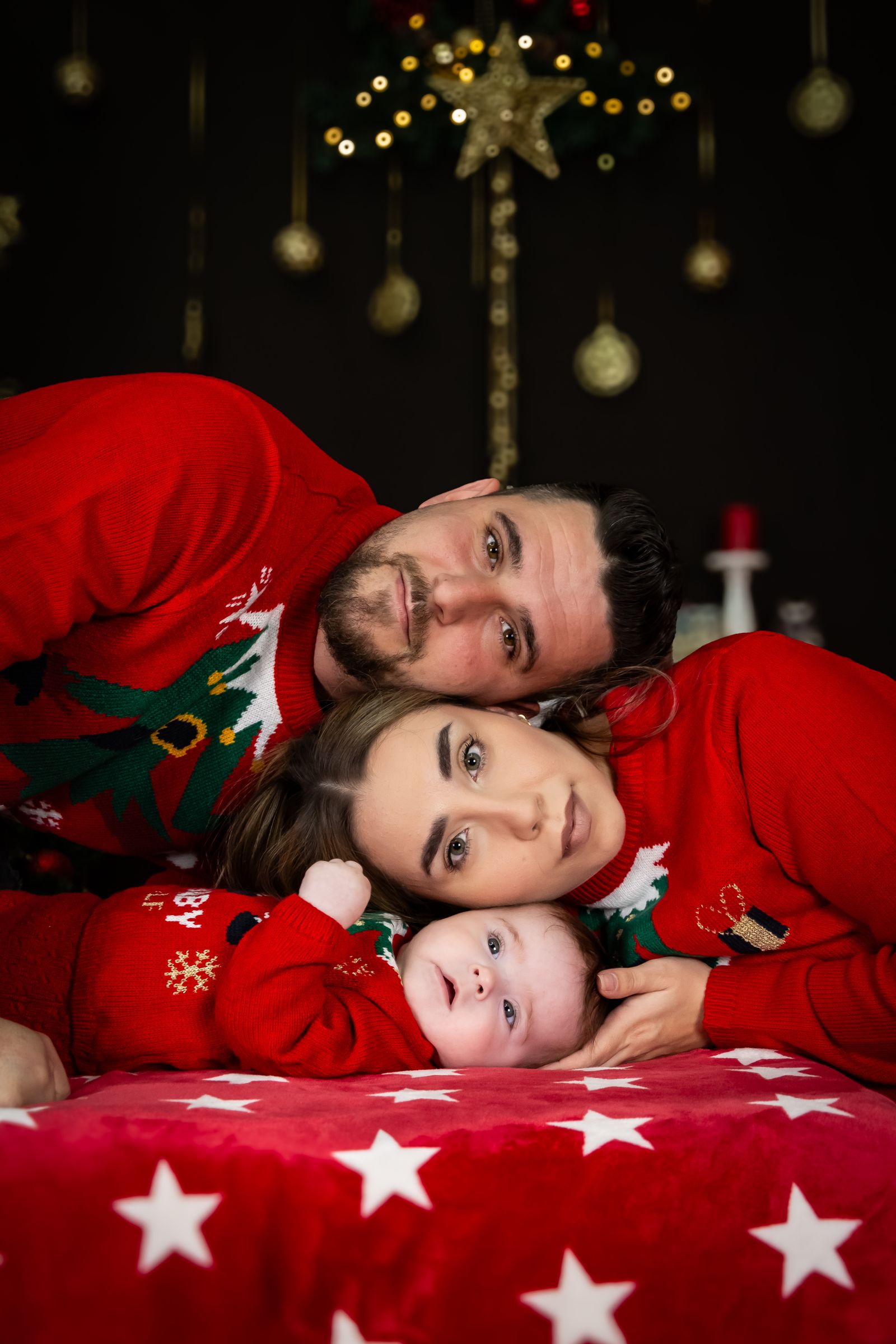
Eight families. One festive backdrop. A Saturday morning that brings in $1,200. On paper, holiday mini photo sessions look like the perfect seasonal side hustle.
Then you remember the studio rental, the messages, the editing, the payment fees, and the toddler who needs ten minutes to feel comfortable. Suddenly, the important question isn't how much you can collect in a morning. It's how much you keep for every hour you actually work.
Holiday mini photo sessions can be worth it in 2026 if you already have reliable photography skills, can attract several clients to one location, and keep the offer tightly defined. They are less attractive if you need expensive equipment, have no way to reach buyers, or price them as cheap versions of full portrait sessions.
Let's follow a hypothetical first-time mini-session business through the decisions that matter: the offer, the numbers, the bookings, and the work nobody sees on Instagram. All prices below are illustrative U.S. dollar examples, not market averages or earnings promises.
1. Why Holiday Mini Sessions Can Work as a Side Hustle
Picture Maya, a fictional weekend photographer who already takes good portraits for friends. Every December, someone asks whether she can squeeze in a quick family photo for holiday cards. Instead of driving to four homes on four separate days, she offers a limited block of appointments at one decorated location.
That's the business model: batch the expensive parts of photography while keeping the customer experience personal. Setup happens once. Travel happens once. Lighting stays relatively consistent. Several families share the cost of an organized production day without sharing their appointment.
What customers are really buying
Parents aren't necessarily shopping for fifteen minutes with a camera. They're buying a simpler way to get a photograph they feel good about sending to grandparents, printing on cards, or hanging at home.
A clear package removes decisions. They know where to go, what to wear, how long it will take, and when the images will arrive. That convenience is part of the value, not an incidental bonus.
- A defined appointment: For example, 15 minutes of photography inside a 20-minute booking slot.
- A single setting: A simple seasonal studio corner, permitted outdoor location, or understated winter backdrop.
- A limited deliverable: Five edited digital images, with optional extras priced separately.
- A specific deadline: A delivery date that leaves clients time to order cards or gifts.
Why 2026 doesn't change the fundamentals
Phone cameras and editing tools give customers more alternatives. A festive background alone isn't a strong reason to hire you. Your advantage is directing real people, handling difficult light, getting the group in focus, and delivering a consistent result without making the family organize everything.
Demand is local and seasonal, not guaranteed by the calendar. Some markets support premium studio appointments; others respond better to modestly priced outdoor portraits. Check current local offers and actual customer interest before assuming a national trend will fill your schedule.
The strongest product isn't “cheap photography.” It's a well-run, low-friction family experience.
2. What You Could Earn—and What You Actually Keep
Maya decides to sell eight appointments at $150 each. That produces $1,200 in gross revenue if every slot sells. It's an encouraging number, but revenue isn't profit, and a four-hour event isn't a four-hour business.
A realistic sample budget
For this example, Maya already owns her core camera equipment. Her event-specific fixed costs are:
- Studio rental: $140.
- Simple props and backdrop materials: $60.
- Local promotion: $50.
- Travel and allocated gallery/software costs: $50.
- Total fixed costs: $300.
Assume payment processing costs exactly 3% for illustration. Real providers may also charge a fixed transaction fee. On $1,200, the assumed processing cost is $36, leaving $864 after these modeled expenses.
This is not take-home pay. It excludes income taxes, equipment depreciation, and any insurance, permits, assistant costs, or other business overhead not included in the example. Add those costs to your own calculation rather than treating them as somebody else's problem.
Count the hours behind the camera, too
Maya tracks 18 hours in total: three for planning and sourcing, three for marketing and booking administration, four for travel, setup, sessions, and cleanup, six for selection and editing, and two for delivery and follow-up.
Her modeled return is therefore $864 divided by 18 hours, or $48 per hour before taxes and omitted overhead. That's potentially attractive for a side hustle, but it depends on selling all eight appointments and controlling the workload.
If only five appointments sell, revenue falls to $750. After $300 in fixed costs and $22.50 in processing fees, $427.50 remains. If total work drops only to 16 hours, the effective return is about $26.72 per hour, again before taxes and other overhead.
The lesson? Empty appointments hurt twice: you lose sales while much of your preparation cost stays the same.
Find your minimum viable booking count
At $150 per appointment with a 3% processing fee, each booking contributes $145.50 toward fixed costs and your pay. Divide the $300 fixed cost by $145.50 and round up: three bookings cover the modeled cash expenses.
But cash break-even isn't a worthwhile wage. To cover those expenses plus a target of $30 for each of 18 working hours, you need $840 in contribution. That requires six bookings under these assumptions. Extra overhead raises the threshold.
Use this calculation before choosing a venue. A gorgeous studio that requires a nearly perfect sellout may be a worse business decision than a simpler space with room for error.
3. Build a Small Offer Before Buying More Gear
The easiest way to make a seasonal photography business expensive is to shop before you validate demand. Props feel productive. A new lens feels professional. Neither guarantees a paid booking.
Start with one offer that you can explain in a single sentence: “A 15-minute holiday family session at one location, including five edited digital images delivered within seven calendar days, for $150.” Only promise that turnaround if you have reserved enough editing time to meet it.
Set boundaries that protect the experience
- Group size: Choose a maximum that fits your space and your ability to pose people quickly.
- One setup: Multiple sets and outfit changes can turn a mini session into a rushed full session.
- Image delivery: State whether you select the final photographs or clients choose from a proof gallery.
- Editing scope: Explain that standard editing doesn't include unlimited revisions or complex compositing.
- Image rights: Clarify personal printing and sharing permissions without implying a copyright transfer.
- Extras: Display prices for additional photographs before booking, not after clients become emotionally invested.
Offer extended families, several outfits, or elaborate retouching a separate full-session option. Saying no to a poor fit protects both your schedule and the customer's expectations.
The equipment you need is equipment you can trust
You need a camera and lens combination that performs reliably in your chosen setting, sufficient batteries and storage, a safe lighting arrangement when necessary, and a sensible equipment-failure plan. Renting or borrowing backup equipment with permission may be more economical than buying it for one event.
Test the actual space at the time of day you intend to shoot. An attractive room can still have mixed lighting, tight shooting distance, or distracting reflections. Outdoor golden-hour light can look beautiful, but it also limits the number of consistent appointments you can offer.
If you're still learning basic focus, exposure, and group posing, practice before taking time-sensitive paid bookings. Holiday clients may not have another chance to remake their card photograph before their deadline.
A plain, repeatable setup is usually a better first investment than an elaborate set you can't operate efficiently.
4. Fill the Schedule Without Spending Away the Profit
A common mistake is renting a venue for two full days, announcing availability, and hoping strangers appear. Reverse that order. Look for credible buying interest, then commit to a manageable event with clear terms.
Validate demand with a specific invitation
Contact previous clients or people who have genuinely asked about portraits. Show a representative sample, name the proposed date and location, and state the price. Ask whether they want the booking link when it opens.
“Would anyone like holiday photos?” measures friendliness. “Would you book this package for $150 on this date?” gives you a more useful signal. Even then, a positive reply is not a sale; completed paid bookings are stronger evidence.
If you use a minimum-booking threshold, explain it before accepting money. State when the event will be confirmed and what refund or alternative clients receive if it doesn't proceed. Don't describe a date as guaranteed while privately waiting to see whether it becomes profitable.
Use channels where trust already exists
- Past clients: Send a relevant, permission-based early-booking message.
- Local communities: Post in neighborhood or parent groups only where business promotion is allowed.
- Local partners: Ask a complementary business about a transparent referral arrangement.
- Your portfolio: Share examples that reflect what this particular package will deliver.
- Local search: Create a useful page describing holiday mini sessions in your actual service area.
For search visibility, naturally include your city, session type, date, price, and deliverables. A page answering “Where do we park?” and “Can our dog join?” may convert better than one packed with repetitive photography keywords.
Be precise about pets, accessibility, restroom access, and weather arrangements. These details can decide a booking long before a client compares your camera skills.
Keep acquisition costs visible
If you spend $50 on advertising and it produces two paying customers, your ad cost per acquired customer is $25. If it produces no bookings, clicks alone haven't paid the studio bill. Set a small test budget and track completed purchases, not just likes.
Use genuine urgency: a real booking deadline, limited appointments, or a delivery cutoff. Fake scarcity may win a quick sale, but it weakens the trust that makes referrals possible.
Where practical, open appointments in a compact block. Filling the middle of your schedule before extending it helps avoid spending an entire day at a venue for a few scattered sessions.
5. Run the Day So One Delay Doesn't Derail Everyone
Now imagine Maya's first family arrives seven minutes late. The next family is already parking, and a child in the current group doesn't want to leave a parent's arms. This is where a profitable spreadsheet meets real life.
The answer isn't to rush people harder. It's to design a schedule that expects people to be people.
Build breathing room into the calendar
A 15-minute shoot inside a 20-minute slot gives you five minutes for transitions and minor delays. Eight such slots occupy two hours and forty minutes before larger breaks, setup, and cleanup. Add a recovery break where needed, and confirm that the rental covers the entire time you need access.
Ask clients to arrive ten minutes early, but don't rely on that request as your only buffer. State how late arrivals affect shooting time and when rescheduling becomes necessary. Apply the policy reasonably and consistently.
Send instructions before clients need them
A short preparation message can prevent a remarkable amount of confusion. Include the address, parking details, arrival instructions, outfit suggestions, contact method, and what to bring for young children.
Recommend coordinating colors rather than demanding matching outfits. Suggest comfortable clothing, a small clean snack where allowed, and a favorite comfort item. Avoid promises that every child will smile on command.
Follow a repeatable shooting sequence
- Check names, priorities, and any important needs quickly.
- Capture the essential whole-group portrait first.
- Try one or two simple prompts for natural interaction.
- Add a child or couple variation if time and cooperation allow.
- Finish by confirming the delivery process and date.
The sequence reduces decision fatigue without making every family look identical. If a child needs to stay close to a parent, adapt the pose rather than turning the appointment into a battle.
Secure light stands, tape down cables where appropriate, and keep small or breakable props away from children. Don't use unsafe elevated poses or unstable decorative furniture. A festive set is still a workplace, and safety matters more than getting one clever image.
Finally, protect the files. Use redundant capture when your equipment supports it, and make separate backups promptly. Don't erase memory cards until you've verified the backups. Holiday memories are not replaceable inventory.
6. Handle the Business Details Before They Become Problems
Mini sessions may be short, but the obligations aren't miniature. You're taking payments, photographing families, storing personal information, and promising delivery by a meaningful date.
Put expectations in a written agreement
Your booking terms should cover the session length, package contents, payment schedule, cancellations, rescheduling, late arrivals, weather, delivery, and what happens if you cannot perform the service.
Rules governing deposits, retainers, refunds, and consumer rights vary by jurisdiction. Don't assume that labeling a payment “nonrefundable” automatically makes it enforceable. Use terms appropriate to your location, with professional advice when needed.
For outdoor appointments, specify a workable weather fallback rather than “we'll figure it out.” Check whether the location requires commercial photography permission or a permit, even if public entry is free.
Separate permission to photograph from permission to advertise
Obtain appropriate authorization to photograph minors, and handle promotional use with separate, clear consent. A family purchasing portraits isn't automatically agreeing to become the face of your next advertising campaign.
Use private galleries and avoid exposing client names, contact details, or children's photographs unnecessarily. If an editing or gallery service uploads files to the cloud, understand its privacy terms and your responsibilities before using it.
Track taxes, insurance, and hidden overhead
- Keep records of revenue, processing fees, rentals, travel, and other business expenses.
- Check local registration requirements and whether your services or products attract sales tax.
- Set aside money for taxes based on your circumstances rather than treating every payment as disposable income.
- Check liability and equipment coverage; a venue may require proof of insurance.
- Include subscriptions, equipment wear, and outsourced editing when assessing real profitability.
Optional image upgrades can improve revenue, but the core package should make economic sense without them. Treat upgrades as upside, not the missing piece that rescues an underpriced session.
The same restraint applies to editing software. Automation can accelerate repetitive adjustments, but you still need to check skin tones, consistency, focus, and export quality. Customers buy finished photographs, not an explanation about what the software did.
7. Is This Side Hustle Worth It for You in 2026?
Yes—conditionally. Holiday mini photo sessions are a promising seasonal side hustle when your skills, local demand, and available time already align. They are not passive income, and a fully booked event doesn't automatically mean a profitable business.
The strongest reasons to try it
- You already produce dependable portraits and own or can affordably access suitable equipment.
- You have a warm audience, previous customers, or a credible local referral channel.
- You enjoy working with families and can stay calm under time pressure.
- You can reserve editing time immediately after the event.
- Your conservative booking scenario still pays an acceptable hourly rate.
The reasons to wait or choose something else
- You would need substantial debt or gear purchases before testing demand.
- Your only way to compete is to charge less than your costs justify.
- You dislike client communication, scheduling, or post-production.
- Your own holiday commitments make timely delivery uncertain.
- You need dependable year-round income rather than a seasonal revenue burst.
Compared with full portrait sessions, minis can lower acquisition friction and reduce travel per customer. The trade-off is less flexibility, lower revenue per booking, and a tighter operational clock. Neither model is inherently better; the right choice depends on what your customers want and what you can deliver well.
Your first-event action plan
Start with one date, one tested setup, and one clearly priced package. Calculate cash break-even and your target hourly return. Validate interest, secure the necessary permissions, open a limited booking block, and schedule the editing before you accept the appointments.
After delivery, review five numbers: slots sold, revenue collected, total costs, total hours, and effective hourly earnings. Then review the experience: Did families feel rushed? Did you meet the deadline? Would they recommend you?
If the numbers are weak, identify the bottleneck before expanding. Too few bookings call for better demand validation. Excessive editing calls for a tighter workflow or scope. Strong demand but low earnings may point to pricing. Another day of sessions won't automatically solve the wrong problem.
Maya's real win isn't the headline that she collected $1,200. It's learning whether she can produce happy clients and worthwhile income without sacrificing every evening afterward.
Start small enough to learn, price carefully enough to earn, and organize well enough to enjoy doing it again. That's how a few holiday portraits can become more than seasonal spending money: they can become the first evidence of a business worth building.