
How a Student Made Millions with Pixels: Lessons for Your Online Store
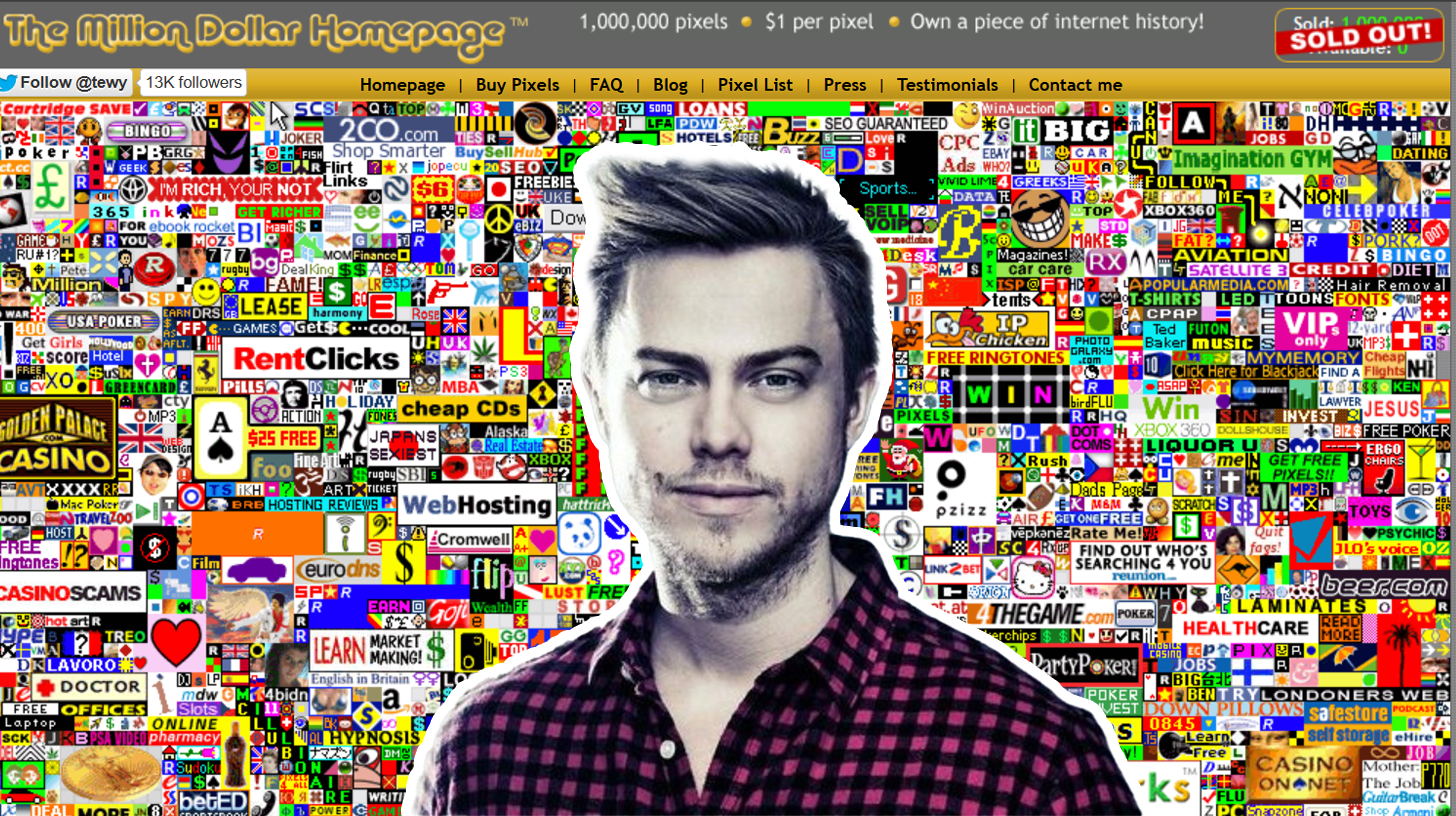
The $1 Pixel That Made a Million 💡 | True Story of a Broke Student
In 2005, a broke 21-year-old student named Alex Tew had a wild idea: 💻 “What if I sold pixels on a website?” He launched TheMillionDollarHomepage.com — 1 million pixels, $1 each. No product. No service. Just... space. It went viral. He made $1,037,100 and paid for college. 👉 Proof that weird ideas can change your life. Watch till the end — it’s genius in the dumbest way possible. 😅
The Million-Dollar Question: How Did a Student Turn Pixels Into Gold?
Let me ask you something: Have you ever stumbled across a story so unusual it makes you stop scrolling and lean in a little closer? That's exactly how most people felt when they heard about Alex Tew—a humble British student who found an ingenious digital shortcut, making millions, pixel by pixel. The secret? The Million Dollar Homepage. But before you dismiss his journey as a ‘one-off’ internet legend, let me pull you in on a little secret: the lessons behind Alex’s million-dollar pixel idea are pure gold for anyone in education—and especially if you run an online store.
From Sketchbook to Server: The Birth of a Million-Dollar Idea
Back in 2005, with tuition looming overhead, Alex Tew scribbled in his notepad, desperate for a way to pay for university. His solution was audaciously simple: sell one million pixels of space on a single webpage for $1 each, to be used as tiny ads. The result? The Million Dollar Homepage. Skeptical? So was everyone else—at first. But as advertisers flocked in, Alex's quirky project went viral. Within 138 days, all pixels were sold out, and he’d made over $1,000,000.
Why did it work? The idea was unexpected, visual, democratic in price, and, crucially, driven by a compelling story. Isn’t that what good education—and smart eCommerce—are all about?
Crowds, Curiosity, and Contagion: The Psychology Behind the Frenzy
If you think Alex just got “lucky” with viral timing, think again. He crafted a perfect storm:
- Scarcity: Only 1 million pixels. Once they were gone, there’d be no more.
- Curiosity: The site name alone drew millions: what could be on a million-dollar page?
- Social Proof: As more brands bought in, others followed—no one wanted to miss out.
- Storytelling: The media loved it. “Broke student cashes in with pixels!”
Imagine weaving those same psychological triggers into your online store’s product launches. How might sales change if your next campaign told your unique story, created true urgency, and offered something ‘once-in-a-lifetime’?
Practical Takeaways: Million-Dollar Lessons for Educators and Online Stores
1. Dare to Be Remarkably Simple
Alex didn’t invent new technology—he presented an old idea (web ads) in a strikingly simple way. Think about your own offerings. Are you overcomplicating the user journey, or can you strip things down like Alex did?
- Review your homepage: Is your core message crystal-clear in under five seconds?
- Offer one irresistible, low-barrier ‘entry’ product or course your audience can try risk-free.
2. Scarcity Sells—But Only When It’s Genuine
There were only a million pixels, and people really bought them. Don’t fake urgency; instead, create real scarcity with limited offers, seats, or digital bonuses. For online stores, try:
- Flash sales with a visible countdown timer.
- Exclusive, limited-edition products or bundles.
- Special perks for the first 100 customers in a new course or product launch.
3. Turn Every Transaction Into a Story Worth Sharing
People bought pixels not just for traffic, but to be part of something absurd and memorable. How can you make customers the heroes of your story?
- Share customer success stories in your marketing. Show the real impact on real people.
- Run gamified challenges—like milestones, badges, or customer walls of fame.
- Send handwritten thank-yous to top students or buyers; it’s the little details that get talked about.
Facing Obstacles: The Real-World Challenges Behind the Pixel Dream
Of course, every viral story hides obstacles. Alex almost buckled under server overload, cyberattacks, and doubts. What kept him moving? Resourcefulness and speed. Each hiccup became a headline—"Site crashes under global demand!"—fueling even more publicity. For educators and eCommerce founders, the lesson is this:
- Embrace setbacks as opportunities for transparency. Customers respect brands that share their evolution.
- Capitalize on unexpected moments. A crashed server could become, "We sold out in minutes! Join the waitlist."
- Don’t be paralyzed by perfection. Launch, learn, and iterate in public.
Education Meets Innovation: Bringing Pixel Principles to the Classroom
Let’s flip the script. What if teachers treated lesson launches like new product drops and courses like viral pixel pages?
- Gamified Learning: Offer digital “badges” or rewards for student milestones.
- Project-Based Campaigns: Crowdsource classroom projects where every student contributes a visible piece, like Alex’s pixel buyers.
- Storytelling Syllabus: Tell students the WHY behind each lesson—make it personal, not just academic.
These tweaks foster excitement, ownership, and a viral spark for learning far beyond grades or test scores.
What’s Your Million-Dollar Pixel?
Here’s the truth: You don’t need to invent the next Million Dollar Homepage. But you can borrow its best parts:
- Create buzz-worthy launches, not just product listings.
- Involve your audience in your story—make them participants, not spectators.
- Keep your ideas refreshingly simple yet powerful.
Imagine your online store or your classroom as a canvas. What pixel-sized opportunities are you missing—the ones that could spark a viral reaction and lasting change?
Practical Action Steps:
- Audit your homepage or course outline today. What’s the boldest, simplest offer you can make?
- Brainstorm one way to create true scarcity (limited-time bonuses, special content, early access).
- Invite your community to co-create—whether a product, lesson, or challenge. Make their contribution public and celebrated.
Conclusion: From Student Dream to Lasting Legacy
Alex Tew’s million-dollar pixel journey wasn’t just about random luck or quick cash. It was about daring to defy norms—and then inviting the whole world to play along. Whether you’re teaching tomorrow’s leaders or running your digital business, the same rules apply: Simplify. Tell a story. Make it scarce. Make it fun.
What if the next million-dollar idea isn’t a website at all, but a radical rethinking of how you teach, sell, or build community?
Grab your digital ‘paintbrush.’ It’s your turn to draw outside the lines. The canvas is waiting—and so is your audience.