
How Nutrition Builds a Healthy Gut: Everything You Need to Know
The 5 things you NEED to know for better GUT HEALTH with Professor Tim Spector
If you do one thing for your health this January, make it focussing on your gut health.
Imagine waking up every day full of energy, clear-minded, and ready to take on your deepest ambitions. What if I told you that the road to this version of yourself might not start with your morning to-do list or your productivity hacks—but with the food you choose to put on your plate? That’s right. Your gut is quietly shaping your health, mindset, and even your potential for personal growth.
Why Your Gut Is the Unsung Hero of Self-Development
If someone had told me years ago that my ability to focus, my mood swings, and my mental resilience all had roots in my belly, I would have shrugged it off. But then, after experiencing brain fog and relentless fatigue, I started noticing a pattern: on days I ate poorly, I felt a shadow trailing me. Soon after adjusting my nutrition, the fog lifted, and my development journey truly began.
Let’s dig into why the health of your gut can unlock doors not just to a better body, but to a blossoming, resilient mind.
The Gut-Brain Connection: Your Internal Power Couple
Ever had “butterflies” before a big presentation? Or felt a “gut feeling” steer your decisions? Science backs up these expressions. Your gut contains 100 million neurons—more than your spinal cord. This “second brain,” called the enteric nervous system, communicates with your real brain via the gut-brain axis.
- 90% of the body’s serotonin—the happiness chemical—is made in the gut.
- Gut imbalances are linked to anxiety, depression, and even impaired learning.
- A healthy gut means sharper cognition and emotional balance.
Curious how your breakfast could improve your mood? Read on.
Meet Your Microbial Allies: Tiny Helpers with Massive Impact
Your digestive tract is teeming with trillions of bacteria, fungi, and other microscopic tenants—collectively called the gut microbiota. Think of them as a bustling city working overtime to break down food, extract nutrients, regulate inflammation, and even communicate with your DNA.
The Good, the Bad, and the Unbalanced
- Good bacteria help digest fiber, produce vitamins, and fend off pathogens.
- Harmful bacteria thrive on processed sugar and can trigger bloating and disease.
- An imbalanced microbiome can mean low energy, skin issues, and even unwanted weight gain.
Balance is the holy grail. But how do you nourish the “good guys”? Let’s find out.
Foods That Heal: Build Your Gut’s Defenses Every Day
No, you don’t need to live on chia seeds and kale smoothies (unless you want to). Here’s the real-world guide to nurturing your gut—deliciously.
Prebiotic Heroes: Fuel Your Microbiome
- Bananas (especially slightly green)
- Onions and garlic
- Oats and barley
- Asparagus and leeks
Prebiotics are fibers your “good” bacteria love to munch on. Add a banana and a bowl of oats to breakfast, and you’ve done your gut a favor before you even start your day.
Fermented All-Stars: Replenish Good Bacteria
- Yogurt with live cultures
- Kefir
- Kimchi and sauerkraut
- Kombucha
Try adding a dollop of kimchi to your lunch or swapping soda for kombucha a few times a week. Small tweaks, big wins.
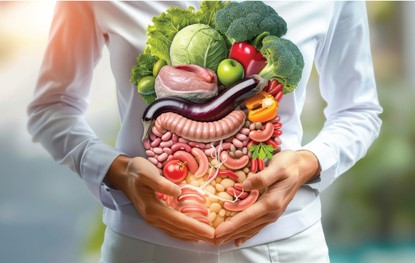
Colorful Variety: Diversity Breeds Strength
- Red: Tomatoes, strawberries, red bell peppers
- Orange: Carrots, sweet potatoes
- Green: Spinach, kale, broccoli
- Purple: Eggplant, blueberries
Aim for 5 colors a day. Your gut bacteria thrive on different plant compounds—diversity is their superfood.
Real-Life Transformations: From Gut Issues to Personal Growth
Take Emma, a young entrepreneur. For months, she struggled with anxiety and irregular sleep, blaming her mounting workload. After a nutritionist suggested a gut-boosting diet (cutting back on ultra-processed foods, adding fermented veggies, and going heavy on plant diversity), Emma noticed not just less bloating, but sharper decision-making, calm under stress, and renewed creativity.
You’re not just feeding yourself—you’re fueling an entire ecosystem dedicated to helping you grow.
The Gut-Sabotaging Mistakes (And How to Fix Them)
Don’t worry if you’re not perfect—no one is. But be wary of these common gut blockers:
- Too much processed sugar: Feeds harmful bacteria, disrupts mood.
- Excessive antibiotics use: Wipes out healthy microbes—use only when prescribed.
- Lack of fiber: Starves your gut’s best allies.
- Chronic stress: Throws your gut-brain axis off balance.
Actionable Steps to Repair
- Swap sweetened yogurts for natural, probiotic-rich ones.
- Gradually increase your fiber from beans, lentils, and whole grains.
- Incorporate mindfulness practices: even 5 minutes of breathing can calm your gut-brain connection.
Your Step-by-Step Gut Health Blueprint
Ready to build a healthier, more resilient you? Follow this simple plan:
- Start small: Add one new plant food each week.
- Mind your beverages: Water and herbal teas support digestion better than sodas or sugary juices.
- Listen to your body: Keep a food-and-feeling journal for 2 weeks. Notice which foods make you feel energized versus sluggish.
- Build habits, not rules: It’s not about perfection—switching up your dinner side for a fiber-rich veggie counts as progress.
Level Up: Gut Health as Your Gateway to Lasting Development
Picture yourself three months from now: sleeping deeper, thinking faster, and feeling emotionally resilient. This vision is within reach. Science shows that taking care of your gut doesn’t just boost your immunity or digestion—it powers up your whole life. Leaders, athletes, and innovators increasingly use nutrition as a secret weapon for self-mastery.
So why wait? Your journey of personal development could start with your very next meal.
The Takeaway: Feed Your Growth, Inside and Out
Too often, self-improvement strategies overlook the basics. But now you know: a flourishing gut is your foundation. Imagine what you could achieve when your body and mind work in harmony. Isn’t it time you invested as much in your kitchen as your library of self-help books?
The next time you reach for a snack or plan dinner, ask yourself: Is this meal helping me become the person I want to be? Your future, energized self will thank you.