
Jump Rope for Weight Loss: Does It Work? How to Start
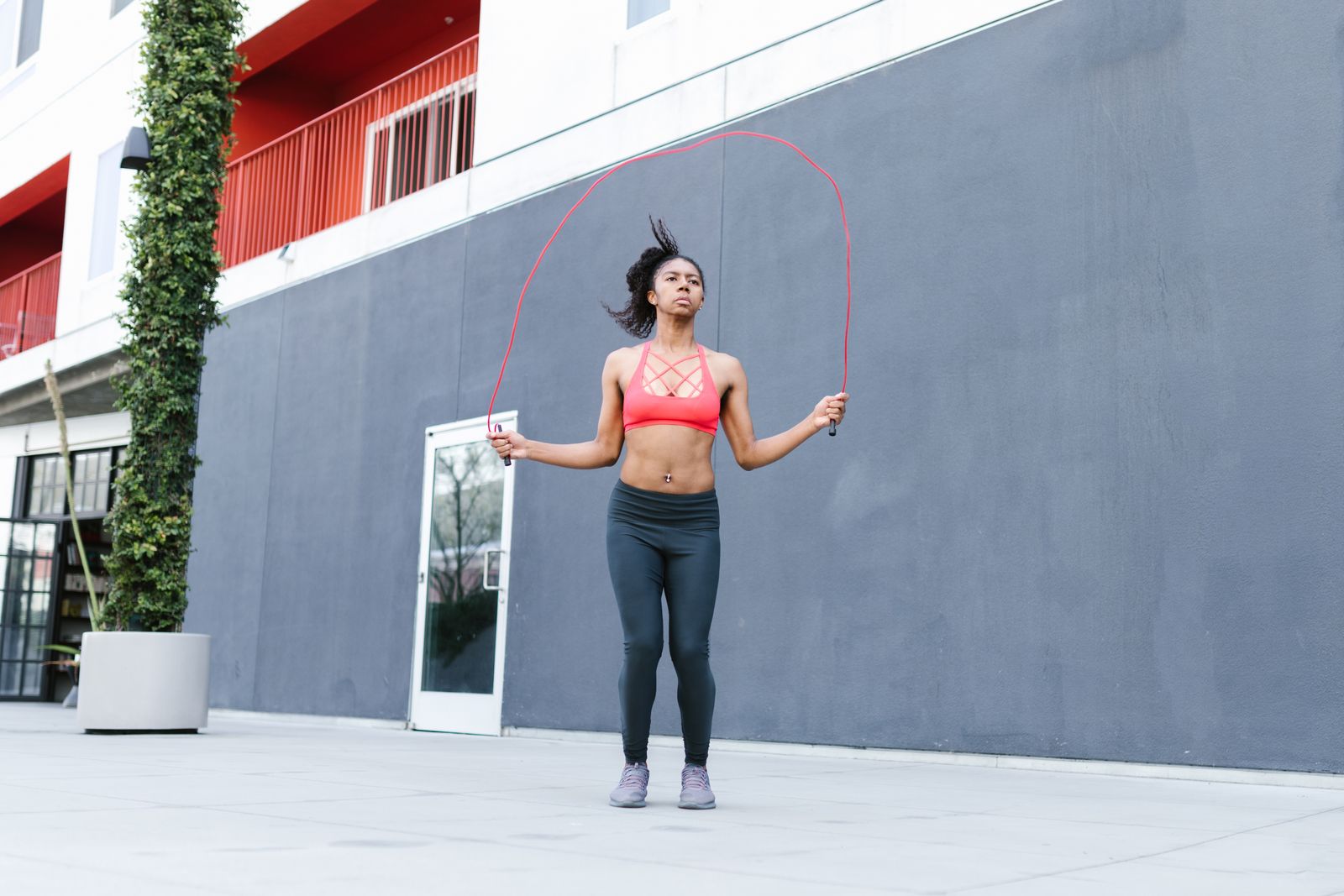
How Long Should You Jump Rope Every Day To Lose Weight?
Jump Rope Dudes explain how many minutes of daily jump rope make sense for weight loss and how to build up gradually. A practical guide for beginners who want a sustainable routine.
The first surprise is not how many calories you burn. It is how long 20 seconds can feel.
You pick up a jump rope, remember doing this effortlessly as a kid, and start bouncing. A few jumps later, your breathing speeds up. Then the rope catches your shoe. Suddenly, this inexpensive piece of equipment feels like a serious workout.
But does that mean it will help you lose weight?
Yes, jumping rope can support weight loss by increasing your energy expenditure. It also improves cardiovascular fitness and coordination. However, it does not specifically melt belly fat, and a few exhausting minutes cannot guarantee a calorie deficit. The results depend on your overall activity, eating habits, recovery, and ability to keep going consistently.
The good news? You do not need boxing-level footwork or 30 uninterrupted minutes. A beginner-friendly approach starts much smaller—and gives your joints, tendons, and confidence time to catch up.
1. Does Jump Rope Work for Weight Loss?
Weight loss happens when, over time, your body uses more energy than you consume. Jumping rope can contribute to that gap, often called a calorie deficit. But exercise is only one part of the equation.
Think of a hypothetical beginner named Maya. She decides to jump rope after work because the gym feels inconvenient. During her first week, she manages short intervals with plenty of walking breaks. The sessions are brief, but she actually does them.
Now imagine two possible outcomes. In one, she treats each workout as permission for an extra snack she would not otherwise eat. In the other, she keeps regular, satisfying meals and gradually adds activity. The same rope workout can produce different weight trends because the rest of the day matters.
Why a rope can be a useful tool
- Low setup friction: You do not need to travel to a gym or learn a complicated machine.
- Adjustable effort: Short intervals let you match the session to your current fitness.
- Cardiovascular challenge: Even basic jumps can raise your heart rate quickly.
- Skill-based motivation: Improving your rhythm gives you something to celebrate beyond the scale.
The limitation is equally important: jumping rope is repetitive impact exercise. Your breathing may improve before your calves, feet, and Achilles tendons are ready for much more work. That is why adding time aggressively can backfire.
Can jumping rope reduce belly fat?
It can contribute to overall fat loss, which may eventually include your abdomen. However, you cannot reliably choose where your body loses fat by exercising a particular area or using a particular cardio tool. Genetics, hormones, and other individual factors influence fat distribution.
Abdominal exercises strengthen your core; jumping rope improves conditioning. Neither offers targeted belly-fat removal. A sustainable routine is more useful than a promise of a flatter stomach in seven days.
2. How Many Calories Does Jumping Rope Burn?
Jump rope calorie estimates vary with body weight, pace, technique, and actual jumping time. A heavier person generally uses more energy doing the same activity, while frequent stops reduce the average intensity of the session.
The Compendium of Physical Activities, a reference used to estimate exercise energy expenditure, assigns rope jumping roughly 8 to 12 metabolic equivalents, or METs, depending on pace. A MET is a standardized way to describe activity intensity, not a personalized measurement.
Using the common estimate of calories per minute = METs × 3.5 × body weight in kilograms ÷ 200, someone weighing 70 kilograms, or about 154 pounds, might expend approximately 100–150 calories during 10 minutes of actual jumping. That estimate includes energy the body would have used at rest.
Notice the wording: actual jumping. Ten minutes that includes instruction, untangling the rope, and several long rests is not the same as ten continuous minutes of skipping.
Why the biggest calorie number is not the best goal
Fitness watches and online calculators provide estimates, sometimes with substantial error. Avoid treating the number on your wrist as an exact food allowance or a prediction of pounds lost.
There is another catch: a demanding workout can leave you hungrier or less active later. If you jump hard for a few minutes, then spend the evening unusually tired on the couch, the net change in daily energy expenditure may be smaller than expected.
The most useful question is not, “How much can I burn today?” It is, “What can I repeat without pain or burnout?”
Jump rope vs. walking: Which is better?
Jumping rope usually uses more energy per minute than comfortable walking, but walking is easier to sustain and has lower impact. For many beginners, combining them works better than choosing a winner.
- Use walking to build regular movement and comfortable aerobic endurance.
- Add brief jump rope sessions for variety, coordination, and a stronger cardio stimulus.
- Choose cycling, swimming, or another comfortable activity when jumping is unsuitable.
A 30-minute walk you enjoy is not inferior to a rope session you dread. Exercise only contributes when it actually happens.
3. Before You Start: Check Your Body and Your Setup
A rope is simple equipment. That does not make every jumping routine appropriate for every person.
If you have current foot, ankle, knee, hip, or back pain, a recent injury or operation, osteoporosis or a history of fragility fractures, seek individualized guidance before starting repetitive jumping. If you have known heart or lung disease, or symptoms with exertion, ask a clinician what intensity is appropriate.
Pregnancy, recent childbirth, pelvic heaviness, or urine leakage with jumping also warrant an individualized approach. A pelvic health physiotherapist can help you assess impact tolerance rather than simply telling you to push through.
Body weight alone does not determine whether you can jump rope. However, if you are new to exercise, feel unsteady, or find hopping uncomfortable, building a base with walking, strength work, or lower-impact cardio may be the better first step.
Choose a beginner-friendly rope
You do not need a premium model. A basic adjustable PVC or beaded rope usually gives beginners enough feedback to learn timing. An extremely light speed rope may be harder to feel, while a heavily weighted rope adds fatigue and is not necessary for weight loss.
Before buying, check:
- Adjustability: Can you change the length easily, and does it accommodate your height?
- Handle comfort: You should be able to hold it without squeezing hard.
- Surface compatibility: Rough pavement can damage some ropes quickly.
- Clearance: Make sure your training area has enough space overhead and around you.
- Practical cost: A reliable basic rope matters more than a calorie counter or app connection.
As an initial sizing check, stand on the middle of the rope and bring the handles upward. For many beginners, the handle ends reaching around the armpits provides a workable starting point. Rope design and technique vary, so use the manufacturer's guidance and adjust after testing.
Your floor matters more than you think
Choose a flat, stable, non-slip surface with some give, such as a suitable sports floor or firm exercise mat designed for jumping. Avoid uneven ground, slippery tiles, and thick, squishy mats that make landings unstable.
Supportive athletic shoes that fit well are a sensible starting point. A cushioned surface does not cancel out poor technique or excessive volume, and jumping barefoot is not a requirement for better results.
4. Learn the Basic Jump Before Chasing Speed
Beginners often assume they need more effort when they actually need less movement. Big jumps and wide arm circles make the rope harder to control and tire you out faster.
Your first goal is quiet, low, repeatable jumps—not an impressive trick.
A simple technique checklist
- Stand tall: Keep your gaze forward and shoulders relaxed.
- Keep elbows close: Let your wrists do most of the turning instead of circling your whole arms.
- Jump only as high as necessary: A small clearance is enough for the rope to pass.
- Land softly: Use a slight knee bend and avoid rigid, locked-leg landings.
- Stay relaxed through your feet: Do not force yourself to remain high on your tiptoes throughout the session.
- Keep breathing: If you cannot control the pace, shorten the interval.
Start by turning the rope once and stepping over it. Next, try a few individual jumps with a reset between attempts. Then connect two or three. This is skill practice, and skill practice counts—even when your workout does not look smooth yet.
What if you keep tripping?
Check the basics before deciding you are uncoordinated. A rope that is too short, hands drifting too far apart, or jumping much higher than needed can disrupt timing.
Try five low jumps without the rope, then five with it. You can also practice wrist turns while holding both handles in one hand at your side, keeping the moving rope clear of your body.
Ropeless practice reduces the coordination challenge, but it does not remove landing impact. If hopping itself is uncomfortable, switch to marching or another non-jumping activity rather than doing more imaginary-rope jumps.
For your first sessions, choose a comfortable rhythm rather than chasing a particular number of skips per minute. You can learn faster footwork later. Right now, efficiency beats speed.
5. A Beginner Jump Rope Plan You Can Actually Follow
Start with two nonconsecutive sessions per week. If you already tolerate impact exercise well, a third may be reasonable, but you do not need daily jumping to make progress.
The plan below is a conservative example, not a requirement to advance every week. Repeat a stage whenever you need more time. If you are very deconditioned, begin with a few 5–10-second attempts or build your walking tolerance first.
Warm up before every session
Spend about five minutes marching or walking briskly, making gentle ankle movements, and doing comfortable calf raises. Add a few easy practice jumps only if they feel good. You should feel gradually warmer, not tired before the workout starts.
Week 1: Make the movement familiar
- Jump gently for 10 seconds.
- Walk or march for 50 seconds.
- Repeat for 6 rounds.
- Total jumping time: 1 minute across a 6-minute interval block.
That may look almost too easy on paper. For a new impact activity, that is a feature. End with a few minutes of easy walking and notice how your feet and calves feel later and the following morning.
Week 2: Add a little more practice
- Jump for 15 seconds.
- Walk or march for 45 seconds.
- Repeat for 6 rounds.
- Total jumping time: 90 seconds.
Keep the effort controlled—roughly 4–6 out of 10, rather than an all-out sprint. If you are gasping, slow down where possible, shorten the jumping interval, or extend the recovery.
Week 3: Extend the work, not the intensity
- Jump for 20 seconds.
- Walk or march for 40 seconds.
- Repeat for 6 rounds.
- Total jumping time: 2 minutes.
Do not simultaneously add a heavy rope, faster jumps, and extra sessions. Increasing several demands at once makes it harder to identify what caused soreness or fatigue.
Week 4: Build only if recovery is comfortable
- Keep the 20-second jump and 40-second recovery pattern.
- Try 7–8 rounds if the previous week felt manageable.
- Total jumping time: about 2 minutes 20 seconds to 2 minutes 40 seconds.
You are building tolerance, not completing a four-week weight-loss challenge. These brief sessions alone are unlikely to produce a large change on the scale. Their purpose is to establish a foundation you can gradually build on.
Over subsequent weeks, increase one variable at a time: a little more jumping per interval, one extra round, or eventually another weekly session. There is no universal progression rate that keeps everyone injury-free.
Know when to stop or scale back
Mild muscle soreness can happen after unfamiliar exercise. Sharp pain, focal shin pain, swelling, joint pain, or worsening Achilles discomfort are not goals to work through. Stop jumping and get advice if symptoms persist or affect normal walking.
Chest pain, fainting, or severe or unusual breathlessness require prompt medical attention. Do not interpret them as evidence of an effective workout.
6. Make Weight Loss Easier Outside the Rope Session
The rope works best as part of a routine, not as compensation for eating. You do not have to “earn” food, and punishing workouts are a poor foundation for lasting habits.
Build meals that keep you satisfied
If weight loss is appropriate for you, aim for a manageable energy deficit rather than severe restriction. Include protein-rich foods, fiber-rich carbohydrates, fruits or vegetables, and some dietary fat across your meals.
A practical dinner could be chicken, tofu, or beans with rice and vegetables. A convenient breakfast might be yogurt or a fortified soy alternative with oats and fruit. The details can fit your preferences, culture, budget, and medical needs.
Pay attention to easy-to-overlook patterns, such as frequent sugary drinks, alcohol, or automatic snacking after exercise. You do not need to ban these foods; you need to understand how they fit into your overall intake.
If calorie tracking increases anxiety or you have a history of disordered eating, seek support from a qualified professional instead of forcing a numbers-based approach.
Keep strength training in the picture
Jumping rope is not a complete resistance-training program. Strength work helps maintain muscle and physical function, which are particularly valuable during weight loss.
Public-health guidelines recommend adults work toward 150–300 minutes of moderate aerobic activity or 75–150 minutes of vigorous activity weekly, or an equivalent combination, plus muscle-strengthening activities on at least two days. These are general health targets, not guarantees of weight loss or a starting quota for new exercisers.
Jump rope can contribute to vigorous activity when the effort reaches that level. Walking and other activities can fill out the week while your impact tolerance develops.
- Monday: Short rope practice and an easy walk.
- Tuesday: Full-body strength training suited to your ability.
- Wednesday: Walking or another comfortable cardio activity.
- Thursday: Short rope practice.
- Friday: Another strength session.
- Weekend: Enjoyable movement and recovery as needed.
Protect your sleep, too. Most adults need at least seven hours regularly. Poor sleep can make appetite management and workout recovery harder, even when motivation is high.
7. Track Real Progress—and Let Small Wins Add Up
How soon will you see results? Coordination may improve within a few sessions, while fitness changes usually take repeated practice over weeks. Visible fat loss is more variable, and no responsible plan can promise a specific amount from jumping rope alone.
Your scale can also fluctuate because of fluid, food in your digestive system, menstrual-cycle changes, and temporary water retention after unfamiliar exercise. One weigh-in is not a verdict on your effort.
Use a broader progress checklist
- Consistency: Did you complete your planned sessions?
- Skill: Can you connect more relaxed jumps with fewer trips?
- Recovery: Does your breathing settle more comfortably between intervals?
- Tolerance: Are your feet and lower legs comfortable afterward?
- Weight trend, if useful: Are measurements taken under similar conditions changing over several weeks?
If weighing yourself is stressful, focus on fitness, daily function, and how your clothes fit instead. Health improvements can occur even when weight changes are modest.
Do you need to jump every day?
No. Beginners generally benefit from recovery between impact sessions. If you enjoy a daily ritual, walk or practice gentle wrist-turning skills on non-jumping days. Keeping the habit does not require repeating the same physical stress.
What if your weight is not changing?
After several consistent weeks, review the whole pattern rather than automatically doubling your jumping time. Have portions or snacks increased? Has your everyday movement dropped? Are you recovering well? Is your expectation realistic for such a small amount of added activity?
A registered dietitian or clinician can help if you need individualized support, especially when medical conditions, medications, or a history of eating difficulties complicate weight management.
The best first workout is one you can recover from
Remember Maya, the beginner fitting short rope sessions around work? Her most important milestone is not a dramatic calorie total. It is realizing that exercise can be a repeatable part of an ordinary day.
That is the real opportunity with jump rope for weight loss: a simple tool that can make movement convenient, challenging, and even playful—as long as you respect the learning curve.
Start with a few controlled intervals. Leave room to recover. Build the surrounding habits that make those minutes count. You do not need to become the person who never trips. You only need a routine you can return to, one comfortable jump at a time.