
Make-Ahead Mashed Potatoes: How to Prep for Thanksgiving
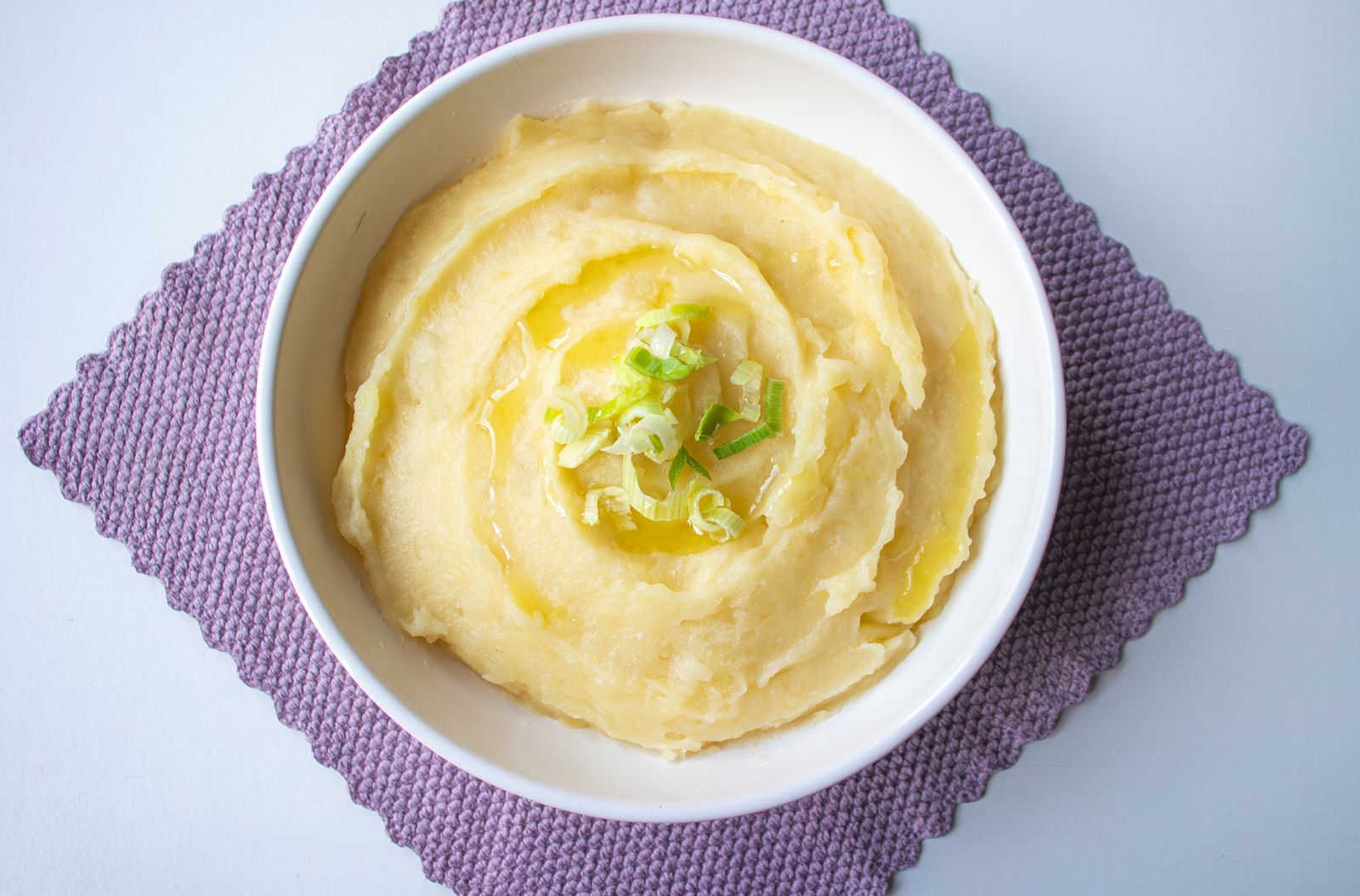
The Holiday Hack You Needed: Make-Ahead Mashed Potatoes!
Mary Katherine shows how to make creamy, fluffy mashed potatoes days ahead of a holiday meal, then store and reheat them so they taste freshly made.
The turkey needs carving. The gravy needs whisking. Someone is asking where the serving spoons live. And there you are, trying to mash a steaming pot of potatoes while every other dish demands your attention.
Now picture a different Thanksgiving: your mashed potatoes are already made, tucked into a baking dish, and waiting for their final warm-up. You stir in a little warm milk, smooth the top, and carry them to the table looking like someone who actually enjoyed hosting.
Make-ahead mashed potatoes can be creamy, fluffy, and genuinely delicious—not just acceptable leftovers. The trick is choosing the right potatoes, handling their starch gently, and planning the cooling and reheating as carefully as the cooking.
This guide covers a dependable recipe, a realistic Thanksgiving prep schedule, safe storage, and three ways to reheat without turning your favorite side dish into a dry brick. Because the best holiday shortcut should save effort without tasting like a compromise.
1. Why Make-Ahead Mashed Potatoes Work So Well
If you have ever pulled a container of cold mashed potatoes from the refrigerator, you may have wondered whether making them early was a mistake. They look stiff. The surface feels firm. That lovely spoonable texture seems to have disappeared.
Fortunately, that change is expected. As potatoes cool, their starch firms up, and butter becomes solid. Gentle heat softens the mixture again, while a small addition of warm milk or cream helps restore a creamy consistency.
The important distinction? Cold, firm potatoes are usually recoverable. Overworked, gluey potatoes are not. Your biggest opportunity to protect texture happens during the first cooking session, not during the final warm-up.
How far ahead should you make them?
For a straightforward Thanksgiving plan, make your mashed potatoes one or two days ahead. That gives you breathing room while keeping the storage period short. Properly handled cooked potatoes generally fit within the USDA's three-to-four-day refrigerated leftovers guidance, but one or two days is a better target for holiday quality and flexibility.
- One day ahead: An easy choice if you want excellent texture with minimal planning.
- Two days ahead: Ideal when Wednesday is already crowded with baking and other prep.
- Several weeks ahead: Freezing is possible, though the thawed texture may be less consistent.
There is a trade-off: you remove the peeling, boiling, and mashing from Thanksgiving Day, but you still need refrigerator space and a reliable reheating window. Think of this as moving the work, not making the last step disappear.
Plan around the bottleneck, not just the recipe
Imagine a host with one oven, a large turkey, and three casseroles. Preparing potatoes early solves only half the problem if their baking dish has nowhere to go on Thursday.
Before you peel anything, decide whether you will reheat in the oven, on the stove, or in the microwave. That decision determines the container you use and keeps your helpful shortcut from becoming another scheduling conflict.
2. Choose Potatoes and Dairy That Reheat Beautifully
You do not need a long shopping list for memorable mashed potatoes. You do need ingredients that suit the texture you want—and a little restraint when combining them.
Yukon Gold vs. russet potatoes
Yukon Gold potatoes make naturally creamy, buttery-tasting mash with a golden color. They are a dependable choice for make-ahead potatoes because a slightly denser, creamy texture works well after reheating.
Russet potatoes are starchier and make lighter, fluffier mash when handled gently. They also absorb dairy readily, so you may need a little extra liquid when warming them.
For a middle ground, use equal weights of Yukon Golds and russets. You get some of the creamy body of the first and the airy texture of the second. Ordinary waxy red potatoes can make pleasant rustic mash, but they are less suitable when your goal is a smooth, fluffy holiday side.
At the store, look for firm potatoes without extensive sprouting, green areas, or soft spots. Buy by weight rather than counting potatoes: five small potatoes and five enormous ones are very different recipes.
What butter, milk, and sour cream contribute
- Butter: Adds flavor and richness. Use unsalted butter if you want more control over seasoning.
- Whole milk: Loosens the mash without making it excessively heavy.
- Heavy cream: Creates a richer result, although using only cream can make the potatoes feel weighty alongside a rich meal.
- Sour cream: Adds gentle tang and creamy body. Full-fat versions are a dependable choice for this recipe.
- Cream cheese: An optional alternative that produces a richer, denser casserole-style mash.
You do not have to use cream cheese to make potatoes ahead. A well-prepared butter-and-milk mash reheats successfully too. Choose the dairy for the flavor you enjoy, not because one ingredient is supposedly mandatory.
How much should you buy?
For Thanksgiving with several other sides, plan on roughly 1/2 pound of raw potatoes per person. Five pounds will serve about 10 people generously, or stretch to 12 smaller portions in a large holiday spread.
If your family treats mashed potatoes as the main event, allow more. If you double the recipe, use two pots or cook in batches rather than crowding one pot. Likewise, two shallow reheating dishes are easier to warm evenly than one very deep casserole.
3. A Reliable Make-Ahead Mashed Potatoes Recipe
This recipe makes creamy, scoopable potatoes with enough richness for a holiday dinner and enough flexibility for reheating. Allow about 45–60 minutes for preparation and cooking, plus cooling and a separate reheating period.
Ingredients for about 10 servings
- 5 pounds Yukon Gold or russet potatoes, or a combination
- 3/4 cup unsalted butter, cut into pieces, plus extra for greasing the dish
- 1 cup whole milk, warmed, plus 1/4–3/4 cup more as needed during reheating
- 1 cup full-fat sour cream
- 2 teaspoons fine salt for the finished mash, added gradually to taste, plus salt for the cooking water
- 1/2 teaspoon freshly ground black pepper, or to taste
- Optional finishing touches: chopped chives, a few small pats of butter, or roasted garlic
Equipment: A large pot, colander, potato masher or ricer, flexible spatula, shallow storage containers, and a food thermometer. For oven reheating, choose a greased 9-by-13-inch baking dish with adequate depth, or divide the batch between two smaller dishes.
Step 1: Cut evenly and start in cold water
Peel the potatoes and cut them into roughly 1 1/2-inch chunks. Similar-sized pieces cook more evenly, so you are less likely to end up with some waterlogged pieces while others still have hard centers.
Put them in the pot, cover with cold water by about an inch, and season the water with salt. Bring to a boil, then reduce to a steady simmer. Cook until a fork or thin knife slides through without resistance, usually 15–25 minutes after the water reaches a simmer.
Check several pieces, including the largest. Undercooked potatoes make stubborn lumps, and trying to beat those lumps smooth later is a shortcut to sticky mash.
Step 2: Drain well and let moisture escape
Drain the potatoes thoroughly. Return them to the warm pot over low heat for one to two minutes, gently moving them so they do not scorch. You want steam to escape and the surfaces to look dry, not browned.
This small step makes a noticeable difference. Excess cooking water dilutes flavor and leaves less room for the milk and butter that make the potatoes taste good.
Step 3: Mash gently while hot
Use a ricer for a very smooth texture or a hand masher for a more relaxed, slightly rustic result. Mash while the potatoes are hot, then fold in the butter until melted.
Skip the food processor and blender. Their blades work the starch aggressively and can quickly turn fluffy potatoes into a stretchy paste. An electric mixer can also overwork them; a hand tool gives you more control.
Step 4: Add dairy and adjust the texture
Fold in the warm milk in a few additions, followed by the sour cream. Add the salt gradually and taste before using the full amount, especially if your cooking water was generously salted. Finish with pepper.
Aim for a mash that is soft and easy to spread, but not runny. It should gently relax from a spoon rather than stand in stiff peaks. Remember that it will firm up in the refrigerator.
If it already feels dry, add more warm milk, a few tablespoons at a time. Stop stirring as soon as the mixture is evenly combined. You are folding ingredients together, not whipping air into cake batter.
Step 5: Divide for safe cooling
Transfer the potatoes into shallow containers, spreading them into layers about two inches deep or less. Refrigerate promptly rather than leaving the entire batch in a deep pot to cool on the counter.
If your final baking dish holds the mash in a suitably shallow layer and is safe for temperature changes, it can double as a storage dish. Otherwise, use smaller containers now and transfer to a baking dish before reheating.
4. Cool and Store Them Without Guesswork
Holiday kitchens are distracting. A casserole goes on the counter, someone rings the doorbell, and suddenly an hour has disappeared. Set a timer when the potatoes are finished so safe storage does not depend on remembering amid the bustle.
USDA guidance recommends refrigerating perishable food within two hours, or within one hour when the surrounding temperature exceeds 90°F. That is a maximum window, not a reason to leave the potatoes sitting out.
A simple cooling routine
- Divide a large batch into shallow containers immediately after preparation.
- Put the containers in the refrigerator promptly; you do not need to wait until the potatoes reach room temperature.
- Leave space around the containers for cold air to circulate, and avoid stacking hot containers tightly together.
- Keep them loosely covered during initial cooling, protected from contamination, then seal once cold.
- Maintain the refrigerator at 40°F or below and label the containers with the preparation date.
A packed holiday refrigerator can struggle with a large, deep container of hot food. Clearing a shelf before you start is therefore part of the recipe, not a housekeeping detail.
Can you freeze make-ahead mashed potatoes?
Yes, but expect some variation in texture. Potatoes with butter and dairy often freeze more successfully than plain mash, although freezing can still cause separation or a slightly grainy feel.
Cool safely, pack into freezer-safe containers, and remove excess air where practical. For best quality, aim to use them within about one month. Thaw in the refrigerator, allowing 24–48 hours depending on the size and depth of the container, then reheat thoroughly.
If this is your first time freezing your particular recipe, freeze a small test portion before committing the whole Thanksgiving batch. A five-minute taste test weeks before the holiday is better than a surprise at serving time.
One important leftovers rule
Reheating does not reset the original refrigerated storage clock. If you made the potatoes on Tuesday and served them Thursday, plan to use refrigerated leftovers within the original three-to-four-day window, or freeze them promptly. Discard potatoes that have been left out too long; smell alone cannot confirm safety.
5. How to Reheat Mashed Potatoes Without Drying Them Out
The winning combination is simple: covered heat, a little added moisture, and gentle stirring. Your goal is to warm the center before the edges dry out.
Whichever method you choose, reheat leftovers to 165°F, checking several spots with a food thermometer. Timing depends on the starting temperature, batch size, container, and appliance, so use the clock as a planning aid rather than proof that dinner is ready.
Oven method: best for a large Thanksgiving batch
Heat the oven to 350°F. Spread the refrigerated potatoes in a greased oven-safe dish. Add about 1/4 cup milk across the surface to start, dot with a little butter if desired, and cover tightly with foil or an oven-safe lid.
For a full batch in a shallow casserole, allow roughly 45–60 minutes, with extra time available if needed. A deeper or particularly cold dish can take longer. Gently stir around halfway through, folding the warmer edges toward the center and adding more warm milk if the mash looks stiff.
Check that the center and other spots reach 165°F. Keep covered until serving. If you want a lightly golden top, uncover briefly at the end, understanding that this creates a firmer surface rather than an all-over creamy finish.
Check your bakeware: Not every glass or ceramic dish can safely go straight from a refrigerator into a hot oven. Follow the manufacturer's directions, or transfer the potatoes into an appropriate room-temperature baking dish.
Stovetop method: best when the oven is occupied
Place the potatoes in a heavy-bottomed pot with a splash of milk. Warm over low to medium-low heat, stirring gently and frequently enough to prevent scorching. Scrape the bottom and fold the mixture rather than beating it.
Add warm milk in small increments as needed. A large batch may take 20–30 minutes or longer, depending on the pot and heat level. If your pot is crowded, divide the potatoes between two pans for more even warming.
Stay nearby. High heat may make the bottom sizzle while the middle remains cold, and burned milk is not a flavor gravy can reliably hide.
Microwave method: best for smaller portions
Put the potatoes in a microwave-safe dish, add a little milk, and cover with a vented microwave-safe lid. Heat at medium power in short intervals, stirring between them to redistribute hot and cold spots.
For a few servings, begin with two-minute intervals, shortening them as the potatoes get hot. Check several areas for 165°F. The microwave is useful for reheating a backup portion without tying up another burner.
Use a slow cooker to hold, not reheat
A slow cooker is convenient for keeping already-hot potatoes ready to serve, but it is not the recommended tool for reheating refrigerated leftovers because they may warm too slowly.
Reheat the potatoes to 165°F by another method, then transfer them to a prewarmed slow cooker. Use a setting that maintains 140°F or above, verified with a thermometer. Keep the lid on, stir occasionally, and add a little hot milk if they thicken. For the best texture, keep the holding period as short as your schedule allows.
6. Fix Common Texture Problems and Add Flavor Wisely
Even a good recipe needs a little adjustment because potatoes vary in moisture and starch content. The helpful question is not, 'Did I follow every measurement perfectly?' It is, 'What does this batch need right now?'
If the potatoes are too thick or dry
Warm them before making a major adjustment; cold potatoes naturally seem much stiffer. Fold in warm milk a few tablespoons at a time, letting each addition combine before adding more. A little butter can improve richness, but liquid is what loosens an overly thick mash.
If the potatoes are too loose
Warm them gently, uncovered, in a wide pan so excess moisture can evaporate. Stir carefully to prevent sticking. If they are very soupy, fold in separately cooked, well-dried mashed potato. Avoid adding raw flour, which changes the flavor and requires cooking.
If the potatoes are gluey
Unfortunately, released starch cannot simply be stirred back into a fluffy structure. More beating usually makes the problem worse. You can repurpose the batch as a thin, topped potato casserole, but expect a denser texture. Prevention—gentle mashing and minimal mixing—is the real fix.
Flavor additions that still welcome gravy
- Roasted garlic: Mash soft roasted cloves before folding them in so the flavor disperses evenly.
- Chives: Add just before serving for fresh color and a mild onion note.
- Brown butter: Replace part of the regular butter with browned butter for a nutty accent.
- Parmesan: Stir in a modest amount and reduce the added salt accordingly.
For dairy-free potatoes, use olive oil or a suitable plant-based butter and an unsweetened, unflavored plant milk you already like. Skip the sour cream and adjust the liquid gradually. Check labels carefully for allergies; some dairy substitutes contain nuts or soy.
On a plate crowded with turkey, gravy, stuffing, and cranberry sauce, restraint can be an advantage. A well-seasoned, buttery mash often contributes more to the meal than another intensely flavored dish competing for attention.
7. Your Thanksgiving Prep Timeline, Minus the Scramble
The most useful Thanksgiving plan works backward from serving time. Rather than writing 'reheat potatoes' somewhere on Thursday's list, give the potatoes a container, a heating method, and a time slot.
Two days before dinner
- Check your guest count and buy approximately 1/2 pound of potatoes per person.
- Confirm refrigerator space, storage containers, bakeware, and thermometer availability.
- Make the potatoes if Wednesday is busy, then divide, refrigerate promptly, and label.
One day before dinner
- Prepare the potatoes now if you did not make them Tuesday.
- Set aside extra milk and butter for reheating so they do not disappear into another recipe.
- Write down your reheating method and coordinate it with the turkey and other sides.
- Wash and dry chives or other finishing herbs, then refrigerate them appropriately.
Thanksgiving Day
For a 4 p.m. dinner, an oven reheating slot beginning around 2:45 p.m. provides a useful buffer for a shallow batch, provided the oven is available. Keep the potatoes refrigerated until you are ready to begin, and account for any bakeware restrictions.
If the turkey will occupy the oven until close to dinner, choose the stovetop instead of hoping the timing works itself out. Reheat thoroughly, adjust the consistency, and hold safely if the meal is delayed.
Just before serving, taste again. Add a little salt if needed, loosen with warm milk if necessary, and finish with butter or chives. Use a warmed serving bowl if convenient; potatoes lose heat quickly in a cold dish.
The best make-ahead mashed potatoes are not the ones that demand no attention at all. They are the ones that need only a few calm finishing touches when your kitchen is busiest.
That is the real reward for preparing early. Not merely one fewer pot to wash, but the freedom to welcome someone at the door, hear the end of a story, and sit down while dinner is still hot. Make the potatoes ahead—and leave a little more of Thanksgiving for yourself.