
Silent Stroke: The Invisible Threat Next To You
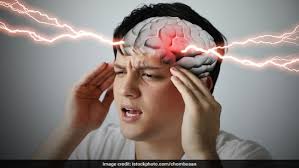
Find Out How to Predict a Silent Stroke When There Are NO SYMPTOMS Present
Silent strokes don’t have any symptoms, but you still may be able to predict them. Find out how.
What If Danger Lurked Where You Least Expect?
Imagine you're in a meeting, brainstorming ideas. You glance across the room and see your most creative colleague nodding along, seemingly interested. Days later, you find out they're struggling with focus and slight memory lapses. Is it burnout? Stress? Or could it be something far more insidious...something invisible: a silent stroke?
Most people think strokes are dramatic, earth-shattering events. But what if I told you some strokes slip by completely unnoticed, quietly undermining your brain's potential? Let's explore the secret world of silent stroke, how it links to your personal and professional development, and—most importantly—how to stay safe from the invisible threat that might be closer than you think.
The Silent Stroke: An Enemy in Disguise
Traditional strokes scream for attention: paralysis, loss of speech, emergency room chaos. But a silent stroke (also called a subclinical or lacunar infarct) sneaks under the radar. You probably won't feel it when it happens. No dramatic symptoms, no warning alarms, no sirens blaring in your mind. Yet, the consequences can be profound—especially for those invested in continuous learning, performance, and growth.
What exactly is a silent stroke? It's a tiny blood vessel blockage in the brain, usually too minor to create immediate, obvious effects. But even without overt symptoms, these "invisible" attacks leave microscopic scars. Over time, multiple silent strokes can combine, silently sabotaging your memory, attention, mental speed, and ability to innovate.
Why Should Developers and Achievers Care About Silent Strokes?
In the world of personal development and peak performance, your brain is your most precious asset. Wouldn't you want to protect it from hidden threats?
- Executive Functions: Silent strokes often chip away at planning, focus, and flexible thinking.
- Memory and Learning: Even minor blockages can hinder your ability to learn new skills or recall crucial information.
- Creativity & Problem Solving: These are exactly the cognitive areas most vulnerable to silent damage.
According to a Neurology journal report, up to 1 in 4 older adults have evidence of silent strokes on MRI—even though they feel "normal." Imagine how much untapped potential is lost, day by day!
The Clues: Spotting the Unseen Warning Signs
How can you defend against something you can't see or feel? Reality check: while silent strokes leave no obvious physical symptoms, they do often cause subtle changes over time. It pays to pay attention to:
- Unexplained difficulty recalling names or words
- Challenges with multitasking and organization
- Moments of confusion in stressful situations
- Subtle changes in personality or mood
- Increasing difficulty learning new concepts
Sarah, a 47-year-old project manager, described her experience: “I started missing details, struggled to switch between tasks, and needed extra time to comprehend new software. I thought it was just stress, but MRI scans later showed silent stroke damage. If only I'd known the signs!”
Who’s at Risk? The Usual—and Unusual—Suspects
Think silent strokes are for "old people"? Think again. While risk increases with age, modern lifestyles are making silent strokes more common—even among ambitious, high-performers in their 30s or 40s.
Major Risk Factors:
- High blood pressure (hypertension)
- Diabetes or prediabetes
- Obesity and sedentary lifestyle
- Chronic stress and lack of sleep
- Smoking and excessive alcohol use
- Heart rhythm disorders (like atrial fibrillation)
What’s shocking? Many developers and high-achievers unknowingly fit this bill. Marathon coding sessions, skipped workouts, energy drinks, late nights—sound familiar?
Unmasking the Silent Stroke: The Power of Awareness
Here's where the story takes a more hopeful turn. Silent strokes might be invisible, but knowledge is your most potent shield. A single step in awareness can prevent a lifetime of regret.
Steps for Early Detection and Prevention:
- Regular Check-ups: Don’t wait for symptoms. Schedule yearly health reviews; ask your doctor about brain scans if you have risk factors.
- Track Your Brain: Use brain-training apps to monitor your cognitive agility over time.
- Know Your Numbers: Keep tabs on blood pressure, blood sugar, and cholesterol—even if you feel perfectly healthy.
- Listen To Loved Ones: If a friend or partner notices memory slips or mood changes, pay attention. Sometimes, the people around you spot invisible issues first.
Personal story: Programmer and entrepreneur Marco D. found out about his silent stroke during a routine exam, months after a phase of "brain fog." Early intervention allowed him to bounce back—and he now champions regular check-ups at his tech company.
Boost Your Brain’s Resilience—Starting Today
You're not powerless. Science shows the brain can adapt, heal, and even regenerate if you set the right habits.
- Move More: Just 30 minutes of brisk walking daily slashes stroke risk and boosts mental flexibility.
- Prioritize Sleep: Aim for 7-9 hours. Research links sleep deprivation to both visible and silent strokes.
- Meditate or De-stress: Mindfulness cuts chronic stress, a top contributor to vascular damage.
- Eat Brain Food: Omega-3, leafy greens, berries, and nuts strengthen blood vessels and repair brain tissue.
- Challenge Your Mind: Learn a new language, pick up chess, or master a musical instrument. Brain plasticity is real—even post-stroke.
Fact: According to the American Heart Association, up to 80% of strokes—including many silent ones—are preventable!
From Invisible Threat to Empowered Action: Your Brain’s Future Is in Your Hands
Let’s pause. Now that you know about silent strokes, how does that change your view of your own health—and your road to personal or professional development? Will you become more proactive, more mindful, more committed to protecting your most essential tool?
The truth is, brilliance isn’t just about talent or ambition. It’s about self-care. It’s about understanding that invisible threats exist and taking conscious steps every day to dodge them. The next great idea, the cherished memory, the career breakthrough—all these depend on a healthy, fully functioning brain.
So, the next time you power up your laptop or brainstorm your next project, remember: the invisible enemy doesn’t stand a chance when you’re armed with awareness—and determined action.
Start today: Book that check-up. Go for that walk. Take care of your mind like your future depends on it—because it does.
Your journey to continual growth is just beginning. Share this article with someone you care about—and be the spark that helps them protect their greatest asset, too.