
The Cholesterol Myth: Debunking Fat and Health Misconceptions
Why I Don't Prescribe Statins For High LDL Cholesterol
There are two types of LDL cholesterol. One is healthy, and the other kills. When you take a statin, which one does it lower?
Imagine biting into a creamy slice of avocado—guilt-free. Now imagine this: everything you thought you knew about cholesterol and dietary fat is wrong. Sound shocking? That’s exactly where our story begins: with the world’s most misunderstood villain—cholesterol.
The Great Cholesterol Scare: Where Did It All Start?
Let’s rewind to the 1950s. Picture a time when doctors started blaming rising heart attacks on one common enemy: cholesterol. The theory was simple enough—eat fat, raise cholesterol, suffer a heart attack. But have you ever wondered why this narrative took off?
Much of this fear stemmed from the now-infamous Seven Countries Study, led by Ancel Keys. The results? Populations eating more saturated fat had higher rates of heart disease. But here’s the catch: Keys cherry-picked countries and overlooked many with high fat intake and low heart disease rates—like France and Switzerland. Is it starting to sound suspicious?
Ask yourself: has this war on cholesterol actually made us healthier?
Cholesterol: The Unsung Hero in Your Body
Imagine cholesterol as your body’s handyman, not a villain. Your brain? Nearly 60% fat—cholesterol is essential to its function. Your cells? Cholesterol gives them structure. Hormones, vitamin D, and even the walls of every cell depend on cholesterol.
- Brain Function: Low cholesterol levels are linked to memory problems and depression.
- Hormone Production: No cholesterol, no sex hormones. It’s that straightforward.
- Cell Repair: Cholesterol travels to sites of injury to help heal tissues.
So, next time you hear someone demonizing cholesterol, remember: life without it isn’t possible.
Busting the Myth: Does Dietary Fat Really Clog Your Arteries?
Picture this: A plumber warns you that eating butter will block your arteries, just like grease in your pipes. Sounds logical—until you look at how the human body really works.
Recent studies—including massive reviews by top universities—have found no convincing link between saturated fat intake and heart disease. In fact, several populations with high-fat diets (think Mediterranean or traditional Inuit) have enjoyed robust heart health for centuries.
- In 2017, the British Journal of Sports Medicine called for an end to demonizing saturated fat.
- The PURE Study (2018), following over 135,000 people, found those with higher saturated fat intakes had a lower risk of stroke.
Still think fat is the villain? Maybe it’s time to update your beliefs.
The Real Culprits: Sugar, Inflammation, and Processed Foods
Let’s get this straight: heart disease rates didn't skyrocket with increased fat intake, but with industrial food processing, added sugars, and trans fats. Fast food, sweetened drinks, and refined carbs quietly replaced real, whole foods during the low-fat craze.
- Inflammation is increasingly seen as the real cause of heart disease. Sugar and processed foods trigger chronic inflammation.
- Trans Fats, unlike natural fats, are synthetically produced and proven to raise risk for cardiovascular disease.
- Refined Carbohydrates spike blood sugar, upping insulin demand and building fat deposits in arteries.
Consider this: it’s not the butter on your bread—it’s likely the bread itself.
Are You Still Worried? Unpacking Cholesterol Tests
Ever looked at your cholesterol numbers in fear? You’re not alone. But here’s a secret: not all cholesterol is created equal.
- LDL (“bad” cholesterol): Not all LDL is bad—small, dense LDL particles are riskier than large, fluffy ones.
- HDL (“good” cholesterol): Higher levels are protective. Eating healthy fats actually raises HDL.
- Triglycerides: High levels indicate increased heart risk, often from too many carbs and sugars—not fats!
If you’re worried, ask your doctor for a detailed lipid profile that looks at particle size, HDL, and triglycerides—not just ‘total cholesterol’.
Practical Takeaways: Eat Smart, Not Scared
Ready to take control of your health? Let’s ditch outdated dogma and focus on what really matters. Here’s how you can start—even today:
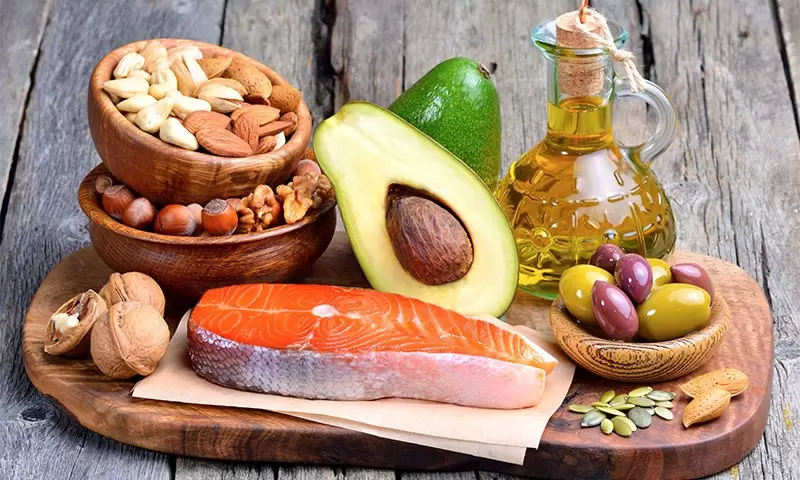
- Choose Whole, Real Foods: Fill your plate with fresh vegetables, high-quality meats, eggs, nuts, and healthy oils.
- Embrace Healthy Fats: Avocados, olive oil, fatty fish, and, yes, butter in moderation are your friends.
- Limit Added Sugars & Refined Carbs: Swap sugary cereals and white bread for oats, quinoa, or sweet potatoes.
- Stay Active: Exercise increases HDL and balances your cholesterol profile—plus, it’s a natural mood lifter.
- Question Food Labels: “Low-fat” often means “high sugar.” Read ingredients, not just claims.
Here’s a real-world tip: Start your day with eggs and sautéed veggies in olive oil, skip juice and sugary pastries. You’ll feel fuller and more energized—no fear of fats required.
Real Stories: What Happens When You Challenge the Myth
Meet Anna. For years, Anna religiously followed a low-fat, high-carbohydrate diet. Yet every year, her cholesterol crept higher, and she never felt satisfied. At 43, tired of failed diets, Anna decided to revisit her approach. She started eating whole eggs, nuts, olive oil, and fatty fish, while reducing sugar.
The results? Within six months, her energy soared, HDL rose, triglycerides dropped—and for the first time, her doctor congratulated her. Anna’s not alone: countless people find vitality by questioning old paradigms and trusting real foods.
Busting Objections: Isn’t This Dangerous?
Still feeling skeptical? Perfectly natural. Here are the most common concerns—answered:
- “But my doctor says cholesterol is dangerous.”
Always value medical advice, but remember: many professionals now update their recommendations as new research emerges. Discuss recent findings with your healthcare provider. - “Heart disease runs in my family.”
You can’t change your genes, but you can change your lifestyle. Trans fats, sugar, inactivity, and stress—not dietary cholesterol—are your main foes. - “Isn’t fat fattening?”
Fat makes you full! Processed carbs cause the biggest spikes in blood sugar and cravings. Healthy fats encourage satiety and metabolic health.
Inspired Action: Reclaiming Confidence in Your Diet
So here’s your invitation—to challenge what you’ve been told, to nourish your body with wisdom, and to enjoy foods you love again. Guilt is out. Curiosity is in.
Next time you’re at the grocery store, ask: “Is this food whole and real, or is it a product of the low-fat, high-sugar era?” Then trust your body’s signals. You might just discover new energy, clearer thinking, and a fresh appreciation for foods you once feared.
The truth about cholesterol isn’t just liberating—it’s delicious. It’s time to rediscover eating for health, pleasure, and longevity. Ready to take the first bite?