
Unveiling Italian Cooking Secrets: Classic Dishes & Foolproof Tricks
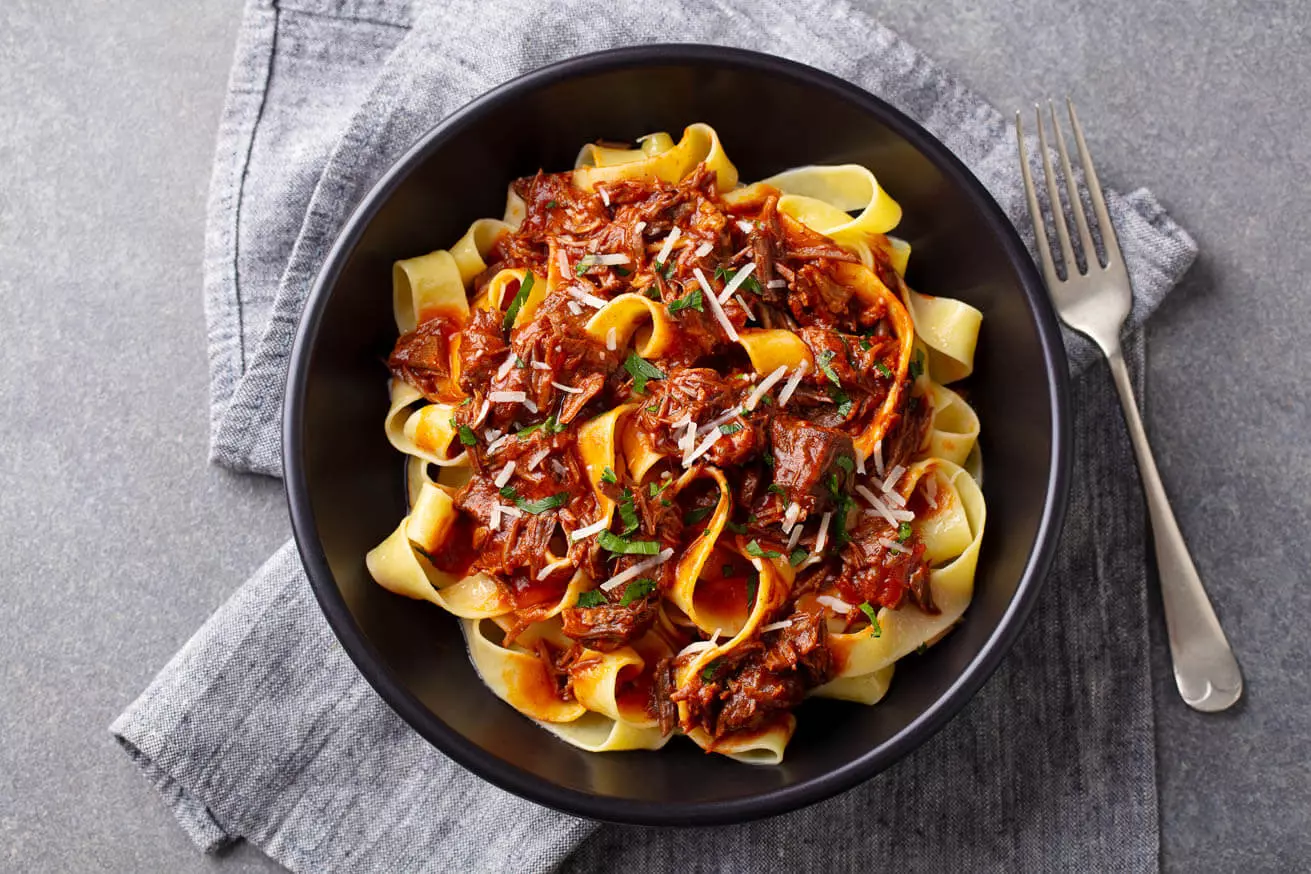
6 Italian Pasta Recipes You Can't Miss
Seafood spaghetti marinara is one of the best seafood pasta recipes that you can make. This dish is made with fresh seafood like shrimps (prawns), scallops, and mussels, which impart a beautiful flavor of the sea to the pasta. The key to making this dish is cooking the seafood separately, as different seafood cook at different rates. Doing this will prevent you from having tough and overcooked seafood, which can happen if you cook everything together. Once the water boils and the pasta is cooked, you’re pretty much all done with the recipe.
Imagine sitting in a bustling trattoria in the heart of Rome. The scent of simmering tomatoes, the sizzle of garlic, the warmth of freshly baked bread – pure magic, right? But here’s the real secret: You don’t need to travel to Italy to experience this. The secrets of authentic Italian cooking are waiting for you, right in your own kitchen. Ready to be transported? Let’s embark on a delicious journey through the sun-drenched landscapes and hidden kitchens of Italy – and unlock the methods even nonnas pass down in whispers.
The Irresistible Allure of Italian Cuisine
Why does the world go crazy for Italian food? It’s not only the flavors, but the stories behind every dish. From Rome’s carbonara, to Naples' pizza, to rustic Tuscan bread soup, Italian cooking celebrates simplicity, generosity, and time-honored tradition. And here’s the good news: Anyone can make these classics – if you know the tricks.
Foundations: The 3 Non-Negotiables in Every Italian Kitchen
Before we start chopping, let’s talk essentials. Ask any Italian chef about their kitchen must-haves, and you'll hear these three:
- Quality Ingredients: Think sweet tomatoes, grassy olive oil, fragrant garlic. Italians believe the best dishes rely on the authenticity of each ingredient.
- Respect for Simplicity: Recipes are often short, but packed with know-how. Less is more, and each step matters.
- Patience: “Piano, piano” (slowly, slowly) is a beloved adage. Rushing ruins flavor; good things come to those who let simmering sauces work their magic.
Ever noticed how Italians can make a meal from bread, olive oil, and a tomato? That’s the art: transform humble ingredients into something unforgettable.
Pasta Like an Italian: Moving Beyond Boil and Strain
Let’s get straight to the heart of Italian cooking – pasta. It’s everywhere, but do you really know how Italians do it?
The Real Pasta Secret
Every Italian nonna will tell you: pasta isn’t just boiled and sauced. The trick is marrying the pasta with the sauce in the pan for the last minute, along with a splash of the starchy cooking water.
- Example: Making classic Spaghetti Aglio e Olio? Sauté garlic and chili in olive oil, toss in al dente pasta and a bit of water from the pot, then swirl. Result: the sauce lightly clings to every strand!
- Pro tip: Always salt your pasta water "like the sea" for maximum flavor.
- Fun fact: Science backs this up! The pasta water’s starch creates an emulsion that helps sauce adhere.
Now, that’s amore.
Secrets of Sauces: From Simple Pomodoro to Rich Ragù
Ever wonder why pomodoro sauce at your favorite Italian spot tastes different from the jar at home? Here’s the secret: patience and quality.
Classic Pomodoro Sauce Formula
- Ingredients: Ripe tomatoes (San Marzano if you can find them), garlic, olive oil, a sprig of basil, and a touch of salt.
- Trick: Cook your sauce slowly on low heat for an hour, letting flavors meld. Finish with basil at the end for that signature aroma.
For Ragù alla Bolognese, the secret’s in the soffritto (sautéed celery, carrot, and onion), the gentle braise, and – surprisingly – milk, which gives the sauce body and sweetness.
- Insider tip: Never drown pasta in sauce; Italians lightly coat noodles for harmonious bites.
Bringing Out the Best in Risotto: Stir, Don’t Rush
Risotto intimidates many, but the secret is surprisingly simple: embrace the slow stir.
- Key Steps: Toast your rice (preferably Arborio or Carnaroli) in butter or oil first – this “verdant pearly” layer locks in texture.
- Add hot broth gradually, and never stop stirring. This agitates the starches, creating a natural creaminess – no cream required!
A true risotto comes out all’onda – wavy and luscious, not stiff. Master this technique, and you’re officially a risotto whisperer.
Pizza Perfection: Lessons from Naples
If you close your eyes, can you smell the wood-fired crust of authentic Neapolitan pizza? The art of real pizza lies in the dough and the oven.
The Neapolitan Way
- Flour: Use "00" high-protein flour for a tender, chewy result.
- Rest: Let your dough rise slowly over 24–48 hours for flavor and lightness.
- Hotter is Better: Home ovens can’t rival wood-fired temps, but using a pizza stone at the highest setting comes close.
- Less is More: True Italian pizzas don’t drown in toppings. A smear of crushed tomatoes, fior di latte mozzarella, basil, drizzle of olive oil – done.
Making pizza at home? Try this: Place your stone on the top oven rack, preheat for an hour, and shape your dough the Neapolitan way – with your hands, not a rolling pin!
Italian Bread: The Humble Hero
From crisp ciabatta to pillowy focaccia, bread is the silent soul of Italian meals. Here’s why every Italian table features its own loaf:
- Flavor in Simplicity: Classic Tuscan bread uses no salt, letting olive oil and accompaniments shine.
- Focaccia trick: Dimple your dough with fingertips, drizzle battered olive oil generously before baking, and finish with sea salt for perfect golden flavor.
Not sure where to start? Try a quick Bruschetta al Pomodoro: Toasted bread, rubbed with garlic, topped with diced tomatoes and basil – the world’s simplest, happiest appetizer.
Little Touches That Make All The Difference
Want dishes that truly taste like they’re from an Italian home? Steal these tips:
- Finish with Olive Oil: A drizzle adds flavor and sophistication to pasta and soup alike.
- Herbs Fresh, Not Dried: Basil, oregano, and parsley should be vibrant and added just before serving.
- Don’t Over-Complicate: Follow the “rule of three”: No more than three main flavors per dish. Authentic cuisine respects the balance of ingredients.
- Slow Roasting: Roasting vegetables (like garlic, tomatoes, or peppers) enhances sweetness and depth – a trick used in both rustic homes and Michelin-starred kitchens in Italy.
From Nonna’s Table: Stories, Memories – and Legacy
Here’s where the real magic happens. Every Italian family has a memory: Sunday lunches, the laughter in the kitchen, a grandmother’s hands deftly shaping gnocchi.
Take the story of Marco, who grew up watching his nonna roll out sheets of pasta with a broomstick (“We didn’t own a real pin!” he laughs now.) Or Lucia, whose secret wasn’t her cheese blend, but the way she let her lasagna rest before slicing – ensuring every layer melded together perfectly.
These aren’t just cooking “tricks” – they’re lessons in love, patience, and connection.
Ready to Bring Italian Secrets Home?
It’s time to step fearlessly into your kitchen. You don’t need a passport or fancy gadgets – just genuine ingredients, a pinch of patience, and curiosity. Try a classic carbonara (no cream allowed!), a bubbling tomato sauce, or a loaf of hand-shaped focaccia. Involve your family, share stories, make mistakes, and above all, savor the process.
Because as every Italian knows: Cooking is about more than food – it’s about gathering, celebrating, and turning everyday life into something extraordinary. So, what’s the first Italian secret you’ll try tonight?