
Walking Pad for Weight Loss: Does It Work?
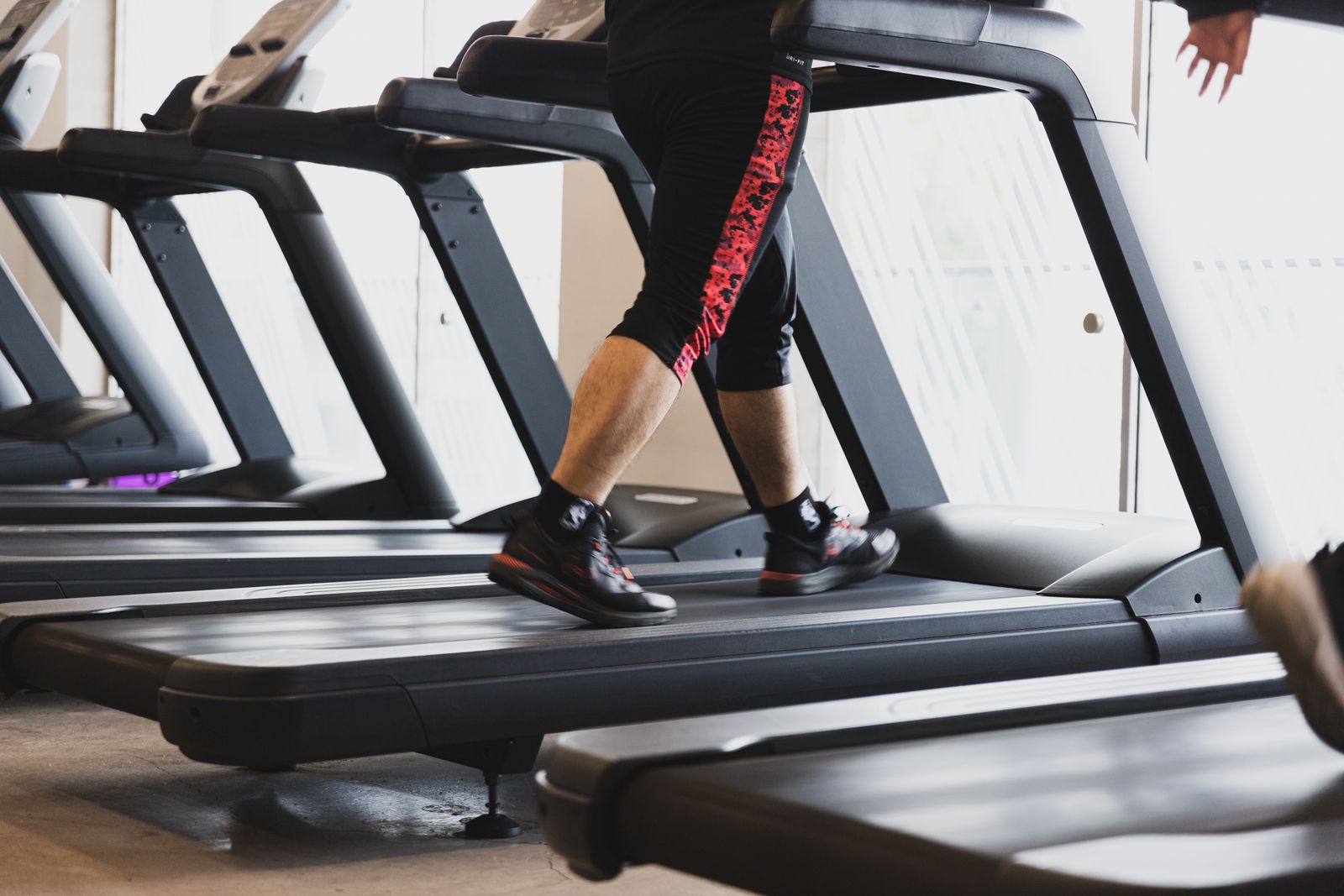
Can a walking pad help you lose weight and work better? | WalkingPad P1 Review
A remote video editor tests the WalkingPad P1 with a standing desk for 30 days and shares how it affected his daily activity, focus and productivity. A practical look at what walking while working is really like.
It is 5:30 p.m. Your inbox is finally under control, your brain feels exhausted, and your legs have barely moved since breakfast. You planned to walk after work. Now the couch is making a surprisingly persuasive argument.
That is the problem an under-desk treadmill promises to solve: not a lack of knowledge about exercise, but a lack of room for movement in an ordinary day. Instead of finding another hour, you take steps while answering emails or listening to a meeting.
But does a walking pad for weight loss actually work, or does it simply turn your home office into a more expensive place to stand?
Yes, a walking pad can support weight loss by increasing daily energy expenditure, particularly when it replaces sitting. However, it does not guarantee weight loss, target belly fat, or replace every other part of a healthy routine. Its value depends on how consistently you use it, what activity it replaces, and whether your eating habits support your goal.
Here is how to separate a useful everyday tool from an unrealistic expectation—and build a routine your knees, concentration, and schedule can live with.
1. How a Walking Pad Helps—and Where the Promise Stops
A walking pad is a compact treadmill designed mainly for walking. Many models fit beneath a standing desk, while others are intended for walking during television or other leisure activities. Compared with full-size treadmills, they often have smaller belts, lower maximum speeds, and fewer support features.
The weight-loss mechanism is straightforward: walking uses more energy than sitting. If you add walking without eating enough extra food to offset that energy expenditure, it can contribute to the energy deficit needed for weight loss.
The important word is contribute. Your body weight also responds to food intake, sleep, medications, health conditions, and changes in appetite and activity. Buying a machine changes none of those automatically.
The overlooked advantage: movement without another appointment
Imagine Maya, a fictional remote worker who already takes two exercise classes each week but spends most workdays seated. She does not need another ambitious fitness schedule. She needs a way to make the hours between workouts less sedentary.
She starts walking slowly during a daily 15-minute administrative task. Later, she adds another short session while watching a training video. The sessions are unremarkable, which is precisely why they fit.
This kind of activity contributes to non-exercise activity thermogenesis, or NEAT: energy used for movement outside structured exercise, such as household tasks, errands, and incidental walking. Under-desk walking can serve a similar role in your day, even when you deliberately schedule it.
The opportunity is not that slow walking burns extraordinary amounts of energy. It is that a manageable activity can accumulate across hours you would otherwise spend almost motionless.
What a walking pad cannot do
- It cannot selectively burn belly fat. Where you lose fat is not determined by the body part you move.
- It cannot guarantee a calorie deficit. Extra snacks or less movement later may offset the additional activity.
- It does not replace strength training. Resistance exercise provides a different stimulus for muscles and bones.
- It does not make sitting forbidden. Alternating positions is more practical than trying to walk through the entire workday.
Think of it as a way to improve your daily baseline, not a device that cancels out everything else.
2. Calories Burned: Useful Numbers, Not a Weight-Loss Forecast
Search for walking pad results and you will find confident calorie claims. The reality is less tidy. Energy expenditure varies with body weight, speed, walking mechanics, incline, and duration. The machine's display may not know enough about you to estimate it accurately.
For context, a person weighing about 70 kg, or 154 pounds, might expend roughly 150–220 total calories during an hour of level walking at around 1–2 mph. This is a broad estimate based on standard activity-energy calculations, not a measurement of your body or a promise from any particular device.
A lighter person will generally expend less, and a heavier person more, at a comparable pace. Very slow or interrupted walking may fall outside that range.
Total calories are not the same as extra calories
This distinction matters more than most product listings suggest. You would burn energy while sitting, too. The extra energy attributable to the walking pad is the difference between walking and whatever you would otherwise have been doing.
Suppose, purely as an illustration, you expend 180 calories during an hour of walking and would have expended 80 during that hour seated. The additional expenditure is about 100 calories—not 180.
That does not make the session pointless. It makes the accounting more honest. Repeated small additions can matter, but a display showing hundreds of calories should not automatically become permission to eat hundreds more.
Why a calorie calculation cannot predict your results
It is tempting to multiply an estimated daily burn by 30 and convert the result into pounds lost. That calculation assumes your eating, metabolism, and all other activity stay unchanged. Real life rarely cooperates.
- You may feel hungrier and eat more without noticing.
- You may take fewer steps outside work because you feel you have already exercised.
- Water retention, digestion, and menstrual-cycle changes can temporarily obscure fat loss.
- As body weight changes, the energy required for movement changes as well.
Use calorie estimates to understand scale, not to predict a deadline. A walking pad is likely to produce a modest contribution to weight management, not rapid loss on its own.
For tracking, walking minutes and consistent use are often more actionable than the calorie display. Wrist-based trackers can also miss steps when your hands remain on a keyboard, so avoid treating any single device as a perfect measurement.
3. Does Under-Desk Walking Improve Health Beyond the Scale?
Even if your weight barely changes, replacing some sitting with movement can still be worthwhile. Weight loss and improved health overlap, but they are not interchangeable outcomes.
Research on interrupting prolonged sitting suggests that short, frequent bouts of light walking can improve post-meal glucose responses compared with uninterrupted sitting. These findings do not mean a walking pad treats diabetes, and much of this research examines short-term outcomes rather than long-term weight loss.
Likewise, evidence that walking supports health is not proof that every walking pad model delivers a specific result. The benefit comes from the movement you actually do, not the product category on the box.
Light walking counts, but intensity still matters
The World Health Organization recommends that adults aim for 150–300 minutes of moderate-intensity aerobic activity per week, or 75–150 minutes of vigorous activity, plus muscle-strengthening activity on at least two days. It also advises limiting sedentary time and replacing it with physical activity of any intensity.
Slow walking while typing often counts as light activity. It should not automatically be counted toward the moderate-intensity target. As a rough guide, moderate effort usually lets you talk but not sing comfortably, although fitness levels and some medications affect how effort feels.
A balanced routine might therefore include:
- Easy walking-pad sessions to break up desk time.
- Brisk outdoor walks, cycling, swimming, or another enjoyable aerobic activity.
- Strength training twice weekly, adapted to your ability.
- Enough sitting and recovery to stay comfortable and productive.
What about energy and concentration?
Some people feel more alert when they walk slowly during routine tasks. Others find that movement makes typing, detailed reading, or precise mouse work harder. Neither response means you are doing it wrong.
Pair walking with the right task instead of insisting that every task become a walking task. Listening to a webinar may work beautifully. Editing a complex spreadsheet may be better done seated.
That flexibility is an advantage: a routine that respects your work is more likely to last than one that competes with it.
4. A Four-Week Plan You Can Actually Keep
The fastest way to make a walking pad feel like a mistake is to go from almost no walking to several hours on day one. Your feet, calves, and work habits all need time to adapt.
The plan below is a flexible starting point for an otherwise healthy adult who can walk comfortably. Start lower if needed, repeat a week when useful, and progress only when sessions feel manageable.
Week 1: Make it easy enough to repeat
Try 5–10 minutes once or twice a day on three to five days. Choose a slow pace that allows a natural stride without leaning on the desk. For some people, roughly 0.5–1 mph is a useful starting range; others will need a different pace.
Use a low-stakes task, such as listening to audio or reviewing familiar material. Your first goal is safe familiarity, not a step total.
Week 2: Attach walking to something predictable
If you feel comfortable, build toward 10–15 minutes per session. Attach one session to a reliable cue: after opening your email, during a daily audio briefing, or shortly after lunch.
This is more dependable than telling yourself to walk whenever you have time. The cue removes a small decision from an already crowded day.
Week 3: Add duration before speed
Try two 15–20-minute sessions on the days that suit you. If concentration slips, shorten the session or choose a different task. If your feet or joints hurt, reduce the load rather than pushing through it.
Do not increase speed and duration together simply to make the numbers look better. Comfortable, repeatable minutes are the priority.
Week 4: Find your sustainable range
Some people may now manage 30–60 total minutes spread across the workday. Others may find that 15–20 minutes is the right fit. Neither amount guarantees weight loss, and longer is not automatically better.
For example, Maya settles on 15 minutes during morning email and 20 minutes during afternoon training. She keeps sitting for demanding writing and preserves her outdoor walks. Her routine works because it adds movement without taking something valuable away.
Keep a tiny log, not a second job
- Minutes: How much walking did you complete?
- Comfort: Did your feet, knees, back, or neck complain?
- Task fit: Which activities worked well while walking?
- Recovery: Did you feel normal afterward and the next morning?
There is no requirement to hit 10,000 steps. Start from your own baseline, add manageable activity, and adjust based on how you feel.
5. Make Weight Loss More Likely Without Overcomplicating Food
A walking pad can increase the energy you use. Your eating pattern still strongly influences whether a sustained calorie deficit develops. That does not require crash dieting or earning your meals through exercise.
A better starting point is to make meals satisfying enough that extra movement does not become an automatic invitation to graze.
- Include protein at meals. Beans, tofu, yogurt, eggs, fish, or lean meat can support satiety and muscle maintenance.
- Add fiber-rich foods. Vegetables, fruit, whole grains, and legumes help build filling meals.
- Notice liquid calories. Sweetened coffees, alcohol, and sugary drinks can contribute energy without much fullness.
- Plan for genuine hunger. A deliberate snack can work better than repeatedly grabbing food at your desk.
- Protect sleep. Poor sleep can make appetite regulation and routine-building harder.
You do not need to cut out favorite foods. The goal is a manageable eating pattern, not a perfect day followed by a rebound.
The reward trap is easy to miss
Imagine finishing a walking session and deciding that you have earned a large coffee drink and a pastry. There is nothing morally wrong with either food. But their energy content may exceed the additional energy used during the walk.
The practical lesson is not to avoid treats. It is to stop treating a treadmill estimate as a food allowance. Keep enjoyable foods intentional rather than automatically tied to exercise.
Measure trends without letting them run your day
If weighing yourself is useful and does not cause distress, measure under similar conditions and look at the trend across several weeks. Avoid drawing conclusions from a single reading.
You can also track waist measurements taken consistently, clothing fit, walking comfort, and how often you interrupt sitting. These markers answer different questions; none needs to become a daily judgment.
If your weight trend remains unchanged after several consistent weeks, review the whole routine. Has walking replaced sitting or replaced other exercise? Has snacking increased? Is your actual use much lower than planned?
Change one manageable thing at a time. For personalized support—especially with medical conditions, weight-affecting medications, or a history of disordered eating—a registered dietitian or qualified clinician can help you choose appropriate goals.
6. Walking Pad Pros and Cons: What to Check Before Buying
The best walking pad is not necessarily the fastest, smallest, or most heavily advertised. It is the one you can use safely in your real workspace with minimal daily friction.
The practical advantages
- Convenience: You can add steps without commuting or changing clothes for a workout.
- Weather independence: Rain, heat, and early darkness do not prevent indoor walking.
- Flexible sessions: Short bouts fit between or alongside suitable tasks.
- Less uninterrupted sitting: The machine can make movement easier to remember and repeat.
The drawbacks people notice after delivery
- Noise and vibration: Footfalls and motor noise may disturb calls, housemates, or downstairs neighbors.
- Limited multitasking: Some work becomes slower or less accurate while walking.
- Storage effort: A compact machine may still be awkward or heavy to move.
- Extra costs: A suitable desk, protective mat, maintenance, or return shipping can raise the total expense.
- Safety limitations: Narrow belts and models without handrails are not suitable for everyone.
Your pre-purchase checklist
Measure the complete setup. Check the machine's footprint, belt dimensions, and manufacturer-required clearance. The walking surface raises you above the floor, so your desk must adjust high enough for relaxed shoulders and comfortable typing.
Check capacity and intended use. Confirm the weight limit, supported speeds, recommended session duration, and any required cooling periods. Do not assume a compact model is built for continuous all-day use or running.
Look closely at safety controls. Understand how to stop the belt quickly, whether the model has an emergency-stop mechanism, and what happens if the remote disconnects. Consider whether you need a handrail for stability.
Read maintenance and return terms. Belt alignment, lubrication, warranty coverage, replacement parts, and return-shipping fees matter more after purchase than an attractive product photo.
Plan for other people and pets. Keep children, pets, loose cables, and clothing away from the moving belt and motor area. Store and secure the device according to the manual when it is not in use.
Walking pad vs. outdoor walking
Outdoor walking is often free and offers a change of scenery and a break from screens. A walking pad offers convenience when leaving your desk is difficult. At similar effort and duration, neither has a special fat-burning advantage simply because of its location.
Before buying, test the habit: schedule two short walking breaks each workday for a week. If you enjoy the movement but repeatedly struggle with weather or work timing, a pad may solve a real barrier. If you dislike walking altogether, purchasing equipment may not solve that.
7. Stay Safe, Then Decide Whether It Is Worth It
Slow walking is still walking on a moving surface. Start by learning to operate the machine without simultaneously typing, carrying drinks, or watching a distracting screen.
- Wear secure, supportive footwear suitable for the machine and your feet.
- Follow the manufacturer's instructions for starting, stopping, and mounting the belt.
- Stop the belt before stepping off or reaching for something out of reach.
- Keep the screen positioned so you do not repeatedly crane your neck downward.
- Alternate walking with sitting and other movement rather than forcing hours in one position.
- Reduce or stop sessions if pain changes your gait or persists afterward.
If you have balance problems, neuropathy, foot wounds, recent surgery, significant joint pain, or a heart or lung condition, ask your healthcare professional whether an under-desk treadmill is appropriate. A model without rails may be a poor choice when stability is uncertain.
Stop exercising if you develop dizziness, unusual breathlessness, or chest discomfort. Seek urgent medical care for chest pain, fainting, or severe symptoms rather than assuming you simply need more practice.
So, is a walking pad worth it for weight loss?
It can be worth it if you spend long periods seated, can use it safely, and will walk consistently during time that would otherwise be inactive. It is less compelling if your budget is tight, your workspace is unsuitable, or you expect the machine to produce weight loss without other sustainable habits.
You do not need a walking pad to lose weight. You do need an approach you can repeat—and walking is one useful part of that approach. Short outdoor walks, movement breaks, and everyday errands on foot can also build a more active day.
The most useful question is not, How much weight can this machine make me lose? It is, Will this help me move more on an ordinary, busy Tuesday?
If the answer is yes, begin with ten comfortable minutes. Add more only when those minutes feel natural. Keep the meals, strength work, rest, and outdoor movement that support your health.
A walking pad does not need to turn your workday into a workout marathon. Sometimes meaningful progress begins more quietly: the same inbox, the same schedule, and a little less of your life spent sitting still.