
Wall Pilates for Weight Loss: Does It Work?
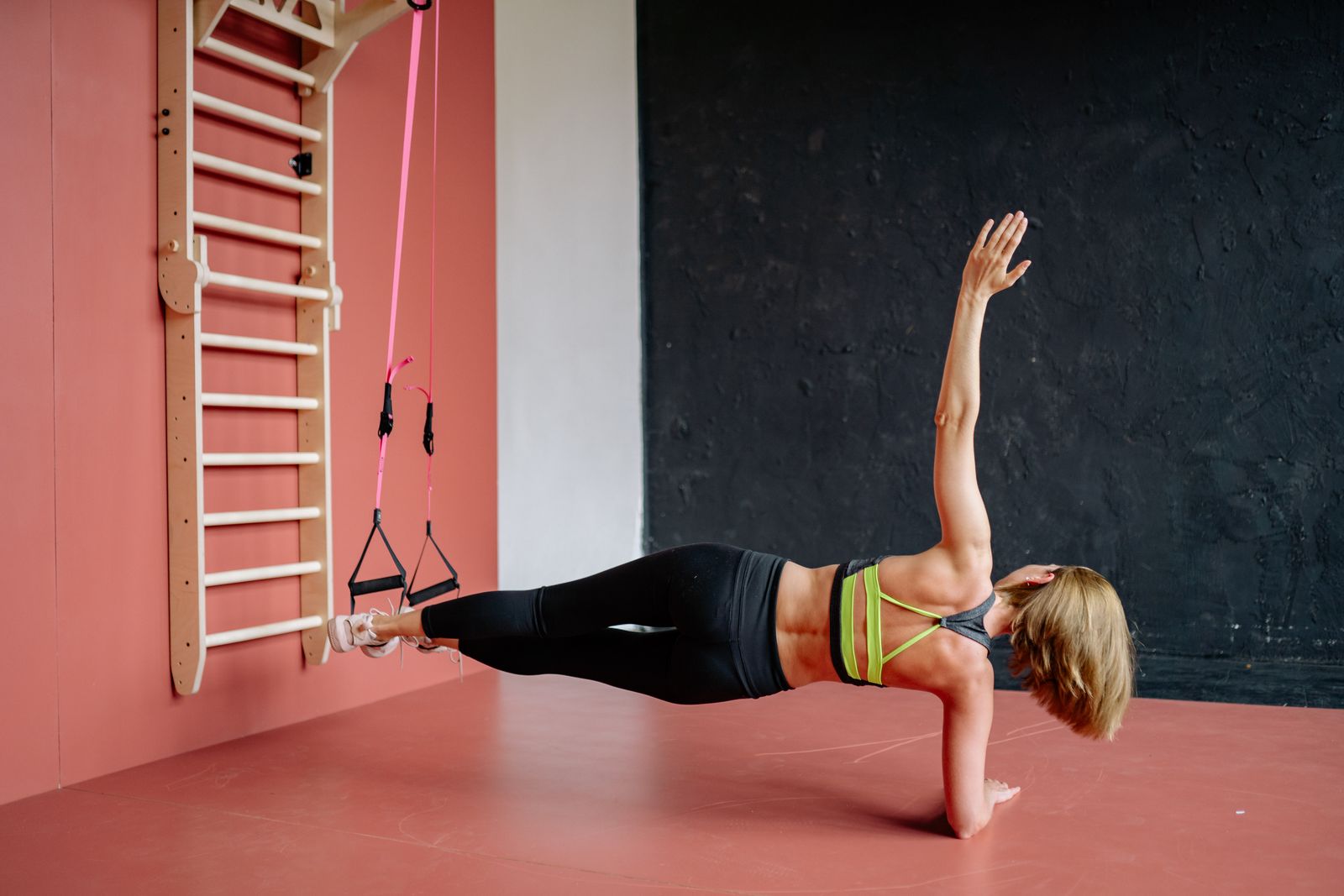
Can Pilates help with weight loss? *honest* Pilates Q&A from an Instructor!
A certified Pilates instructor answers common questions about whether Pilates helps with weight loss and belly fat, and explains how to combine it with other training for better results.
You clear a little floor space, press your hands against the wall, and start a workout that promises a stronger body without jumping, running, or expensive equipment. Twenty minutes later, your muscles are shaking. But one question remains: is wall Pilates actually helping you lose weight, or does it just feel productive?
The honest answer is encouraging, with an important catch. Wall Pilates can support weight management by helping you move regularly and develop strength and control. But evidence that wall Pilates alone produces substantial weight loss is limited, and it cannot selectively burn belly fat.
That does not make it pointless. For someone who has struggled to enjoy exercise, an approachable routine can be more valuable than an intense program that never gets past Monday. The key is understanding what this workout does well, where it falls short, and how to fit it into a realistic plan.
1. What Is Wall Pilates, and Why Does It Feel So Challenging?
Wall Pilates adapts Pilates-style movements by using a wall for support, feedback, or resistance. You might perform a standing push-up with your hands against the wall, practice a controlled squat with your back supported, or lie on a mat with your feet pressing into the wall.
Traditional Pilates emphasizes controlled movement, breathing, alignment, and coordinated muscular effort. A wall can make some movements easier to learn by providing stability. In other exercises, it creates leverage or resistance that makes your muscles work harder.
The wall is a tool, not a special fat-burning mechanism
Imagine trying to balance while lifting one leg. You may spend most of your attention avoiding a wobble. Place your fingertips on a wall, and you can focus more on moving the hip slowly and keeping your pelvis steady. That feedback can improve the quality of your practice.
However, the wall does not unlock a unique metabolic effect. Your energy expenditure still depends on your body size, the movements, their intensity, and how long you exercise. A gentle mobility session and a demanding full-body circuit are not equivalent simply because both use a wall.
- Support: The wall can reduce balance demands and help you learn unfamiliar movements.
- Feedback: Contact points can help you notice changes in body position.
- Resistance: Pressing into the wall or changing your body angle can increase effort.
- Convenience: Most beginner routines require little equipment and limited space.
One useful detail: wall Pilates is not a standardized workout. Online classes vary widely. Some are gentle Pilates-inspired sessions; others are largely bodyweight strength circuits. Judge the actual exercises and instruction, not just the label.
2. Does Wall Pilates Work for Weight Loss? What the Evidence Says
Wall Pilates can contribute to weight loss, but it is usually a supporting strategy rather than the main driver. Losing body fat generally requires a sustained energy deficit: over time, the body uses more energy than it takes in. Exercise can contribute, while eating patterns, appetite, sleep, medications, and medical conditions influence the outcome.
Research on Pilates more broadly has reported improvements in some body-composition measures in certain groups, including adults with overweight or obesity. However, studies vary in quality, workout type, duration, and participant characteristics. Some are small, and results are not consistent enough to promise a particular amount of weight loss.
More importantly, research on general Pilates cannot automatically validate every wall Pilates challenge advertised online. Direct evidence for wall-specific programs as a weight-loss treatment remains limited. Claims such as losing several inches from the waist in a week go beyond what that evidence can reliably support.
How many calories does wall Pilates burn?
There is no single trustworthy number for every session. A person's size, movement efficiency, rest periods, and effort all matter. Many gentle Pilates sessions use less energy per minute than brisk walking, cycling, or vigorous cardio, although demanding routines can raise the workload.
Be cautious when a video promises a fixed calorie burn for everyone. A fitness watch also provides an estimate, not a precise measurement. Using that number to decide exactly how much extra food to eat can turn an uncertain estimate into a misleading calculation.
Why your muscles shake without a huge calorie burn
Slow movements and static holds can create substantial local muscular fatigue. That burning sensation tells you a muscle is working; it does not tell you how much body fat you are losing. Sweat is similarly unreliable because temperature, clothing, and individual physiology affect it.
The more useful question is not, “Did this workout leave me exhausted?” It is, “Does this routine help me stay active, gradually get stronger, and maintain habits I can repeat?” Those are more dependable building blocks for long-term progress.
Can wall Pilates reduce belly fat?
No exercise reliably selects the body region from which fat is lost. Abdominal exercises can strengthen the muscles beneath belly fat, but they do not specifically remove that fat. Where your body loses fat first is influenced by factors such as genetics and hormones.
Better posture or stronger abdominal control may change how you carry yourself. That is a worthwhile benefit, but it is different from fat loss. Before-and-after photos can blur this distinction through posing, lighting, clothing, and changes in bloating.
3. The Benefits That Matter Even Before the Scale Moves
Consider a hypothetical beginner named Maya. She works at a desk, dislikes crowded gyms, and often abandons workouts because they feel too demanding. Instead of aiming for a dramatic makeover, she starts with 12 minutes of wall Pilates three evenings a week.
After a few weeks, she notices that getting down to the floor feels less awkward. She completes movements with more control and feels more confident adding a short walk after lunch. Her weight may not have changed, but her activity pattern has.
This is an overlooked advantage of accessible exercise: it can reduce the friction between intending to move and actually moving. That does not guarantee weight loss. It creates a better starting point for the behaviors that support it.
Strength, control, and confidence
- Muscular endurance: Repeated controlled movements can help muscles sustain effort longer.
- Body awareness: You may become better at noticing posture, breathing, and unnecessary tension.
- Balance practice: Supported standing movements can offer an approachable way to practice control.
- Movement confidence: Learning manageable exercises can make other physical activities feel less intimidating.
- Consistency: A short home session removes travel time and many equipment barriers.
These benefits depend on the routine and your starting point. Wall Pilates is not automatically a substitute for rehabilitation, and it should not be advertised as a cure for back pain, pelvic-floor problems, or joint conditions.
A realistic look at the pros and cons
The main advantages are convenience, affordability, and adaptability. Many routines are low impact, meaning they avoid repeated jumping or hard landings. But low impact does not mean low effort or risk-free: deep knee bends, prolonged wrist loading, and difficult floor transitions may still be unsuitable for some people.
The limitations become clearer as you get fitter. The wall provides useful resistance, but it can be harder to progressively challenge every major muscle group, particularly the pulling muscles of the back. Resistance bands, weights, or other strength exercises may eventually help fill those gaps.
4. A Beginner Wall Pilates Routine You Can Actually Repeat
This Pilates-inspired starter session takes about 15–20 minutes, including rests. It is designed for generally healthy beginners, not as a personalized rehabilitation plan. Start with one round; add a second only if you can maintain comfortable breathing and controlled movement.
Use a clear, solid wall, a nonslip floor, and enough space to move safely. Avoid doors, glass surfaces, unstable furniture, and slippery socks. If getting onto the floor is difficult, skip the floor exercise and use the standing movements.
Warm up for 3 minutes
March gently in place, roll your shoulders comfortably, and practice a few small hip hinges. Then stand near the wall and take several easy breaths. Let your ribs expand as you inhale; exhale without forcefully pulling your abdomen inward or holding your breath.
Move 1: Wall push-ups
Place your hands on the wall around shoulder height and slightly wider than shoulder width. Step back a comfortable distance. Bend your elbows to bring your chest toward the wall, then press away. Keep your body aligned without letting your lower back sag.
Try: 6–10 slow repetitions. Step closer to reduce the challenge. Keep your shoulders away from your ears, and stop if you develop wrist or shoulder pain.
Move 2: Shallow wall-supported squats
Place your back against the wall with your feet a short step forward. Slide down only a small, comfortable distance, then return to standing. Let your knees follow the direction of your toes, and avoid forcing a deep bend.
Try: 6–8 repetitions. A small range is enough to begin. If this bothers your knees, skip it or use a comfortable sit-to-stand from a stable chair secured against the wall.
Move 3: Standing side-leg lifts
Stand sideways to the wall with one hand resting lightly against it. Keeping your trunk upright and toes facing forward, lift the outside leg a small distance to the side. Lower slowly without leaning your upper body in the opposite direction.
Try: 8–10 repetitions per side. A smaller, controlled lift is better than a higher lift that makes your pelvis tip. Keep a soft bend in the standing knee.
Move 4: Supported heel raises
Face the wall with your fingertips touching it for balance. Rise onto the balls of your feet, pause briefly, and lower your heels slowly. Keep the movement even through both feet and avoid rolling your ankles outward.
Try: 8–12 repetitions. Use more hand support if needed, but do not pull or push yourself upward with your arms.
Move 5: Wall-supported alternating foot lifts
Lie on your back on a mat with your knees bent and feet resting against the wall at a comfortable height. Keep your pelvis and spine in a comfortable position. Exhale and gently float one foot just off the wall, then return it. Alternate sides without rocking your pelvis or straining your neck.
Try: 5–8 repetitions per side. Move closer to or farther from the wall to find a comfortable setup. If lifting a foot causes back discomfort, keep both feet supported and practice relaxed breathing instead.
Finish feeling capable, not defeated
Rest for 30–60 seconds between exercises as needed. Aim for a moderate effort, roughly 4–6 out of 10. Finish with a minute or two of easy walking. You should feel that you exercised, not that you barely survived.
When the routine becomes comfortable, increase one variable at a time: add a few repetitions, slow the lowering phase, or add a second round. Progressing everything at once makes it harder to notice what your body tolerates.
5. Build a Weight-Loss Plan Around It, Not on It Alone
The strongest practical approach combines wall Pilates with regular aerobic movement, appropriately challenging strength work, and sustainable eating habits. You do not need to perfect all three immediately. Start with the easiest change you can repeat.
Pair the wall with walking
The World Health Organization recommends that adults aim for 150–300 minutes of moderate-intensity aerobic activity weekly, or 75–150 minutes of vigorous activity, plus muscle-strengthening activity involving all major muscle groups on at least two days. These are general health targets, not a guarantee of weight loss.
A gentle wall Pilates session may not count toward your aerobic target if it does not raise your breathing and heart rate enough. A practical moderate-intensity check is being able to talk but not comfortably sing. Brisk walking is often an accessible complement.
- Monday: A 15-minute wall session and a comfortable 10-minute walk.
- Tuesday: A 20-minute walk, split into shorter outings if needed.
- Wednesday: Rest or gentle movement that feels restorative.
- Thursday: Another 15-minute wall session and a short walk.
- Friday: A 20-minute walk or another enjoyable aerobic activity.
- Weekend: One longer easy outing and optional light mobility practice.
This is a starting schedule, not the full guideline target. Build gradually from your current ability. As you progress, include resistance exercises that challenge the whole body, especially muscles your wall routine barely trains.
Make meals supportive rather than restrictive
For weight loss, eating patterns usually have a substantial influence on whether an energy deficit occurs. But that does not require crash dieting, skipping meals, or treating exercise as punishment for food.
Try building regular meals around a protein source, fiber-rich foods, and portions that fit your appetite and needs. For example, a meal might include beans or chicken, vegetables, and potatoes or whole grains. Protein supports muscle maintenance, while fiber-rich foods can help meals feel satisfying.
Look for changes that do not leave you constantly hungry: reduce frequent sugary drinks if you drink them, plan an afternoon snack if that prevents arriving at dinner ravenous, or prepare a simple lunch rather than relying on last-minute choices.
If calorie tracking feels stressful or you have a history of disordered eating, a weight-focused approach may not be appropriate without support. A registered dietitian can help you choose goals that protect both physical and mental health.
Do not overlook sleep and recovery
Poor sleep can make appetite management, motivation, and recovery harder. Most adults benefit from at least seven hours of sleep, with individual needs varying. You do not need a flawless bedtime routine; a consistent sleep window is a useful place to start.
Rest also makes progression more sustainable. More sessions are not automatically better if fatigue causes you to move less during the rest of the day or makes exercise something you dread.
6. Set Realistic Expectations and Avoid Expensive Promises
You might notice improved movement confidence within several weeks, but timelines vary. Changes in strength, waist measurements, or body weight depend on your starting point, training challenge, eating patterns, and consistency. A 28-day challenge is a calendar format, not a biological deadline.
Track more than a single weigh-in
If weighing yourself supports rather than harms your well-being, use comparable conditions and look at trends over several weeks. Daily changes can reflect hydration, sodium intake, bowel contents, and the menstrual cycle rather than changes in body fat.
- Consistency: How many planned sessions did you complete?
- Control: Can you perform the same movement with less wobbling?
- Capacity: Can you manage more repetitions without sacrificing form?
- Daily function: Do stairs, walking, or getting off the floor feel easier?
- Recovery: Are you sleeping adequately and feeling ready for your next session?
If your goal is weight loss and the trend stays unchanged over several weeks, review the whole plan rather than adding endless abdominal exercises. Walking time, meal patterns, recovery, and medical factors may deserve more attention than another wall challenge.
Check these details before buying a program
You do not need a paid app to begin. If you want structured coaching, look for relevant Pilates or fitness qualifications, clear demonstrations, beginner modifications, and realistic claims. For a medical condition or rehabilitation need, seek appropriately qualified clinical guidance.
- Does the instructor explain alignment, breathing, and when to stop?
- Are alternatives available for wrist, knee, back, or balance limitations?
- Does the plan progress gradually rather than simply increase daily workout time?
- Are subscription costs, renewal terms, and cancellation policies clear?
- Does the marketing promise guaranteed weight loss or targeted belly-fat removal?
Be skeptical of dramatic testimonials presented as typical results. Useful coaching teaches you how to adapt and improve; it does not need to convince you that every other form of exercise has failed.
7. Safety First, Then a Small Start That Can Grow
Wall Pilates may be approachable, but it is not suitable in every form for every person. If you are recovering from surgery, pregnant or recently postpartum, or managing osteoporosis, significant joint pain, balance difficulties, or a heart condition, ask a qualified clinician about appropriate exercises and modifications.
You do not necessarily need to avoid activity. You may simply need a different range of motion, less loading, a standing-only routine, or a program designed for your circumstances.
Know the difference between effort and a warning sign
Mild muscle fatigue can be normal, and some soreness may follow unfamiliar exercise. Sharp pain, spreading pain, numbness, dizziness, or pressure in the chest are not signals to push through. Stop exercising. Chest pain, fainting, or severe or unusual shortness of breath warrants urgent medical assessment.
Keep breathing during holds and challenging repetitions. If you regularly brace so hard that you cannot breathe, reduce the difficulty. If pain persists or returns whenever you practice, get it assessed rather than repeatedly testing it with online workouts.
So, is wall Pilates worth it for weight loss?
Yes, as an accessible part of a broader plan—not as a shortcut. It can help you practice strength, develop control, and make exercise feel manageable. It works best alongside aerobic activity, progressive full-body strengthening, supportive nutrition, and recovery.
Return to that cleared patch of floor. You do not need to decide today whether you can complete a month-long challenge or reach a certain number on the scale. Try a short session, notice how your body responds, and choose when you will practice again.
The wall will not do the work for you. But it can give you something valuable to build from: a starting point that feels possible. And a possible routine, repeated patiently, is far more useful than an extraordinary promise you cannot sustain.